


Getting nutrition right from the start
 Puppies
Puppy nutrition — a healthy start matters

How to feed a puppy?
Puppies have healthy appetites and plenty of energy, but their digestive systems are still developing and their stomachs are small. Rather than offering their full daily portion in one go, it is much gentler to spread meals throughout the day. Start with around six smaller meals and gradually reduce the number as your puppy grows, increasing portion sizes accordingly. By adulthood, two meals a day is a comfortable routine for most dogs.
Try to feed your puppy at consistent times each day, and avoid leaving food out for longer than around 30 minutes. If your puppy is not interested in eating, simply take the bowl away and try again a little later. Routine and calm around mealtimes helps your puppy feel settled.
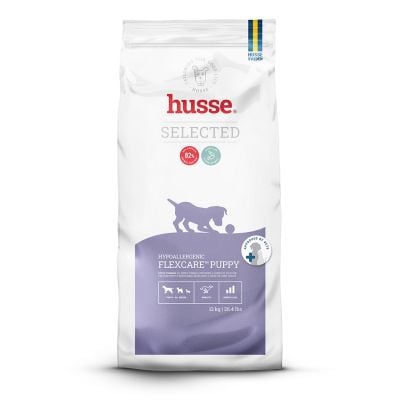
Hypoallergenic Flexcare™ Puppy, 7 kg | Advanced nutrition with a focus on joint health


Sensitive Digest Puppy, 7 kg | Tailored formula for digestive wellness in puppies with digestive sensitivities


Puppy Balanced Growth, 2 kg | Tailored formula supporting natural growth & digestive comfort

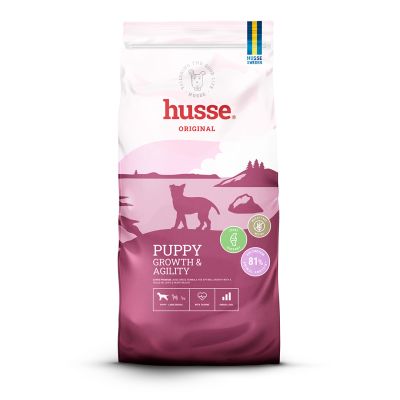
Puppy Growth & Agility, 12 kg | Tailored formula for the unique needs of large breed puppies


Puppy Active Life, 7 kg | Tailored energy and nutrients for small, developing puppies



Choosing the right food for your puppy
A good puppy food is designed to support the specific demands of growth. Your puppy needs the right balance of protein, fat, and carbohydrates to support energy and healthy development, alongside nutrients that contribute to strong bones, teeth, and muscle. A puppy's digestive system is still finding its feet, so a recipe that supports gut health — with ingredients that encourage a healthy digestive balance — can make a real difference to how your puppy feels day to day.
If you are unsure which recipe is right for your puppy, your Husse advisor can help you find a formula that suits your dog's individual needs.
Finding the right fit for your puppy's size
Puppies grow at different rates depending on their breed and size, and their nutritional needs differ too. Recipes for smaller breeds are thoughtfully designed with their more delicate jaw strength in mind. Recipes for larger breed puppies focus on supporting the joints and skeletal development that bigger dogs require as they grow. Choosing a formula made for your puppy's size is a simple but meaningful step in supporting their health from the start.

When and how to change a diet?
Until they reach one year, puppies should be fed a formula made specifically for puppies. Once your puppy turns 1 year old you can swap the diet to a formula for adult dogs. With that said, you should never switch a dog’s diet abruptly. Your dog’s digestive system requires a transition period to get accustomed to a new composition of the diet. Begin by mixing ¾ of your dog’s current diet with ¼ of a new formula. After two to three days you can switch to feeding your dog ½ of the new formula mixed with ½ your dog’s old food. After another two days you can give your dog a mixture that consist of ¼ of the current food and ¾ of the new formula. The entire transition period should take 6 days. On the 7th day you should be able to give your dog only his new food.
It may still be useful:
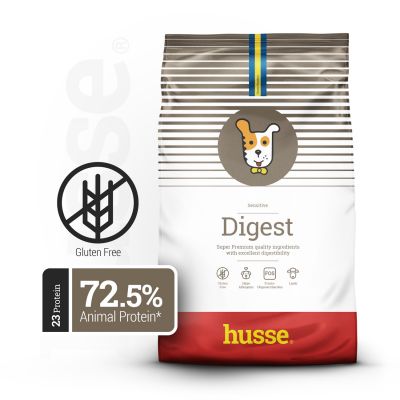
Sensitive Digest, 2 kg | Gluten free recipe with limited animal protein sources
€1.00
_400x400.jpg "Exclusive Digest, 2 kg | Easy-to-digest formula for cats with sensitive digestive systems")
Exclusive Digest, 2 kg | Easy-to-digest formula for cats with sensitive digestive systems
€15.00
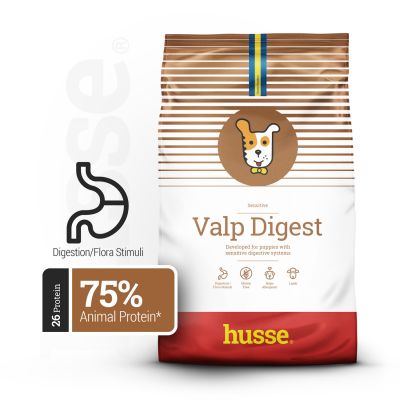
Sensitive Valp Digest, 7 kg | Dry food that supports the developmental needs of sensitive puppies
€10.00
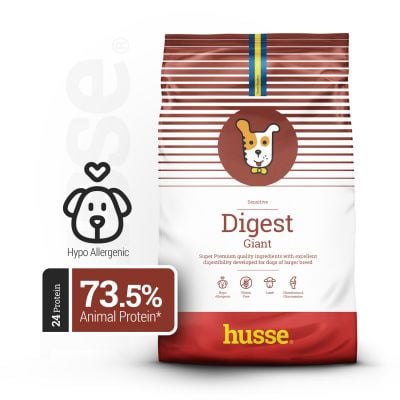
Sensitive Digest Giant, 12.5 kg | Gluten free recipe with limited animal protein sources
€11.00

_m.jpg)