

Kitten nutrition — why the first year matters
 Kitten
The first twelve months of a kitten's life are unlike any other. Growth is rapid, change is constant, and what happens during this period has a lasting impact — physically, behaviourally, and in terms of long-term health.
During this time, kittens are not just growing in size. They are developing the habits and social skills that will shape how they interact with people and other animals for the rest of their lives. They are learning what is safe, what is familiar, and what feels like home.
Nutrition plays a quiet but important role in all of this. A diet that meets the demands of this growth phase supports healthy development from the inside — giving your kitten the energy and nourishment they need to thrive at every stage of that first year.
Getting it right does not need to be complicated. Your local Husse advisor can help you understand what your kitten needs at each stage and ensure their feeding plan keeps pace with the changes happening along the way.
How to feed your kitten — building good habits from the start
A kitten's digestive system is still developing, which means their stomach is small and sensitive. Rather than one or two larger meals, smaller portions offered more frequently throughout the day are much easier for them to manage and support steadier, healthier growth.
As your kitten grows, you can gradually reduce the number of meals and increase portion sizes to match their changing needs. This natural progression is something your Husse advisor can help you navigate — ensuring feeding adjustments happen at the right pace for your individual kitten.
Establishing set mealtimes early is also worth the effort. A consistent routine helps your kitten understand when to expect food, and avoids the habit of grazing throughout the day. If your kitten walks away from a meal, simply remove the bowl and offer it again later — hunger will bring them back when they are ready. It is also worth being mindful of portions from the start. Overfeeding in kittenhood can establish habits that are harder to change later, and maintaining a healthy weight during this growth phase sets a much better foundation for the years ahead.
Your Husse advisor can help you find the right portions and feeding schedule for your kitten's age and size.

Fresh Balanced Growth Kitten, 7 kg | Advanced nutrition rich in fresh chicken to encourage lean and healthy growth


Kitten, 3 kg | Premium nutrition for healthy, steady growth and development
Wet or dry food — what is right for your kitten?
It is one of the most common questions new cat owners have, and the answer is rarely black and white. Both wet and dry food have genuine benefits, and understanding the difference helps you make a confident choice for your kitten.
Cats are not naturally inclined to drink much water — something that goes back to their origins as desert animals. Many house cats simply do not take in enough fluids through water alone, which can put strain on their urinary tract over time. Wet food helps address this by providing hydration as part of the meal itself, making it a particularly good choice for kittens and cats who tend to drink very little.
Dry food, on the other hand, supports dental hygiene through the natural mechanical action of chewing. It is also practical and easy to portion. If dry food is your preference, mixing it with a little wet food or a wet treat is a simple way to increase both moisture content and palatability — and many cats find the combination more appealing than either on its own.
There is no single right answer, and the best approach often depends on your kitten's individual needs and preferences.
Your local Husse advisor can help you find the right balance and put together a feeding plan that works for your kitten day to day.
Why does diet matter?
Kitten nutrition is the foundation of proper development and good health in cats. Suitable food for kittens has to provide your pet with all the necessary nutrients so your tiny kitten can grow and mature into a healthy adult cat. Kitten food has to provide your cat with balanced levels of calcium and phosphorus that ensure strong bones and healthy teeth. A diet rich in antioxidants can help protect your cat from free radicals. Formulas enriched with vitamins A and E can boost your kitten's immune system, and Omega-3 and Omega-6 fatty acids can help prevent inflammation. Taurine is an amino acid that is vital to your cat's eye and heart health. Cats are unable to produce taurine on their own, so their food has to contain this essential amino acid.
When to transition your kitten to adult food
Kitten food is formulated specifically for the demands of growth, and most kittens should move on to an adult formula at around twelve months of age. Some larger breeds take longer to reach full maturity, but this does not mean extending kitten food beyond that point — adult cats have different nutritional needs, and kitten food alone is not designed to meet them long term.
When the time comes to make the change, a gradual transition gives your cat's digestive system time to adjust comfortably. A gentle seven-day approach works well for most cats: •
- Days 1–2: ¾ current food, ¼ new food
- Days 3–4: equal parts current and new food
- Days 5–6: ¼ current food, ¾ new food
- Day 7: new food only
If your cat shows any signs of digestive sensitivity during the transition, slowing the process down is perfectly fine. Every cat adjusts at their own pace.
It may still be useful for kittens:
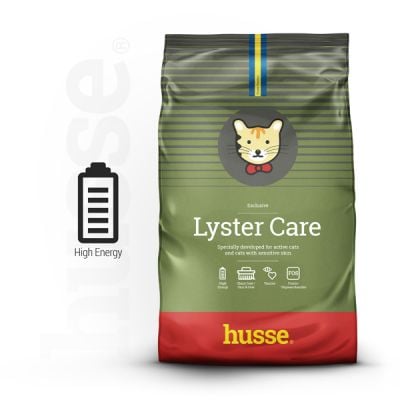
Exclusive Lyster Care, 2 kg | Kibbles for active cats or cats with sensitive skin & coat
€30.00
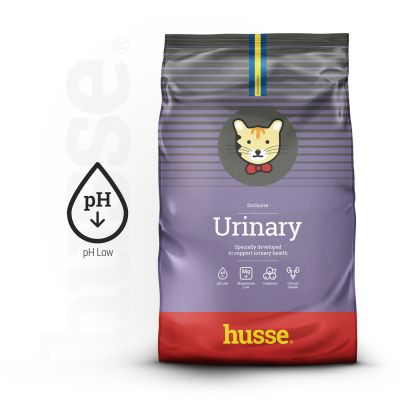
Exclusive Urinary, 2 kg | Complete cat nutrition that helps maintain urinary health
€20.00
_400x400.jpg "Exclusive Sterilised, 2 kg | Dry food made to satisfy a sterilised cat’s unique nutritional needs")
Exclusive Sterilised, 2 kg | Dry food made to satisfy a sterilised cat’s unique nutritional needs
€20.00
_400x400.jpg "Exclusive Light, 2 kg | Cat dry food designed to help maintain healthy weight")
Exclusive Light, 2 kg | Cat dry food designed to help maintain healthy weight
€15.00
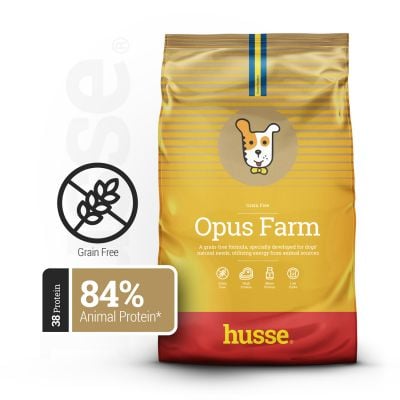
Opus Farm, 12 kg | Grain free kibbles with limited animal protein sources
€10.00
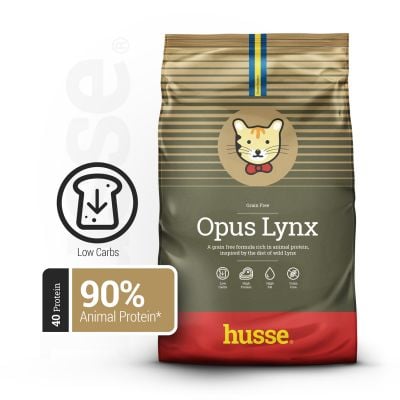
Opus Lynx, 2 kg | Grain free kibbles for cats with sensitive skin & stomachs
€20.00
Learn more about healthy lifestyle
Teaching your cat tricks
Although training a cat is more difficult, there are some tricks that can be taught to the cat