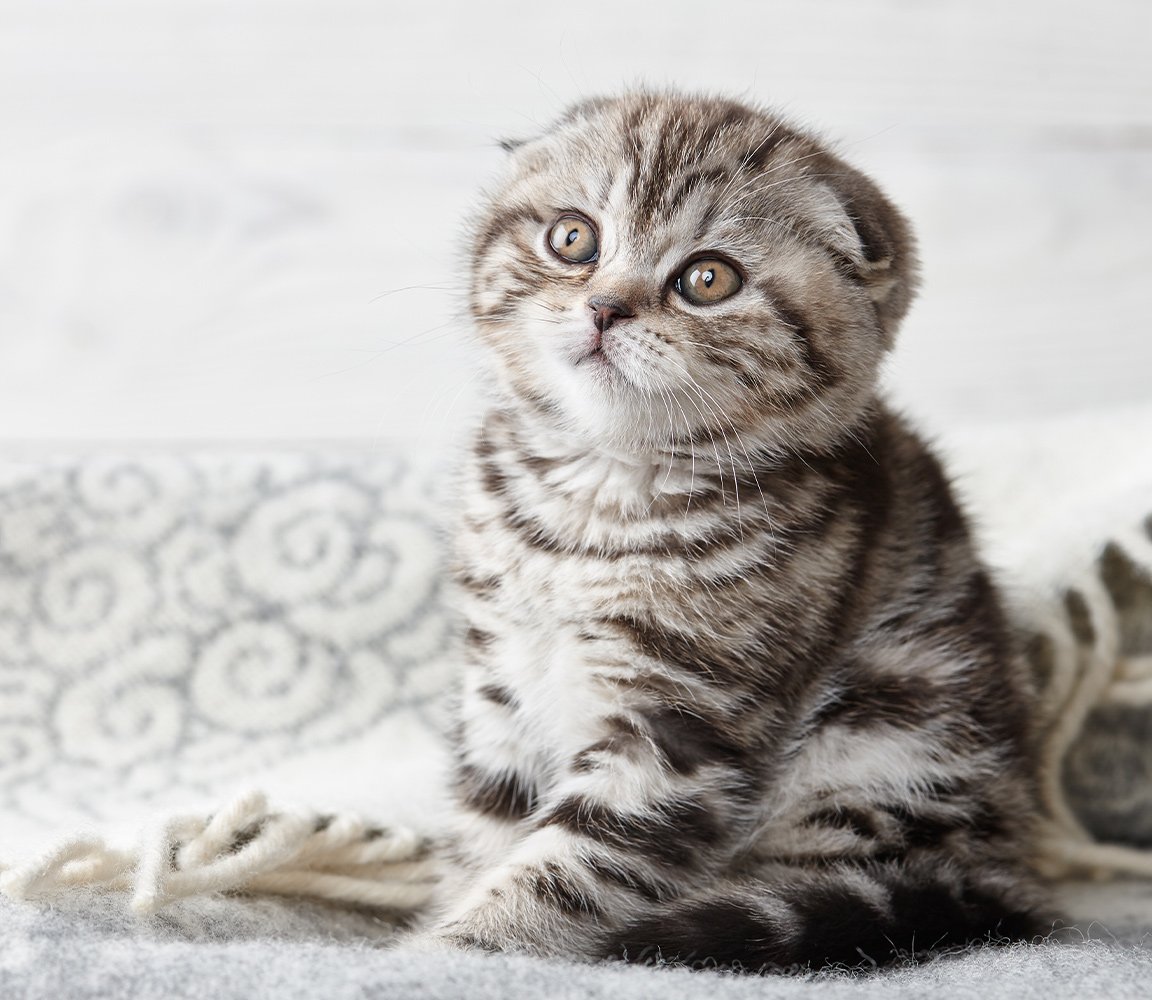


Playtime and learning — more than just fun
 Kitten
 Fun
Fun
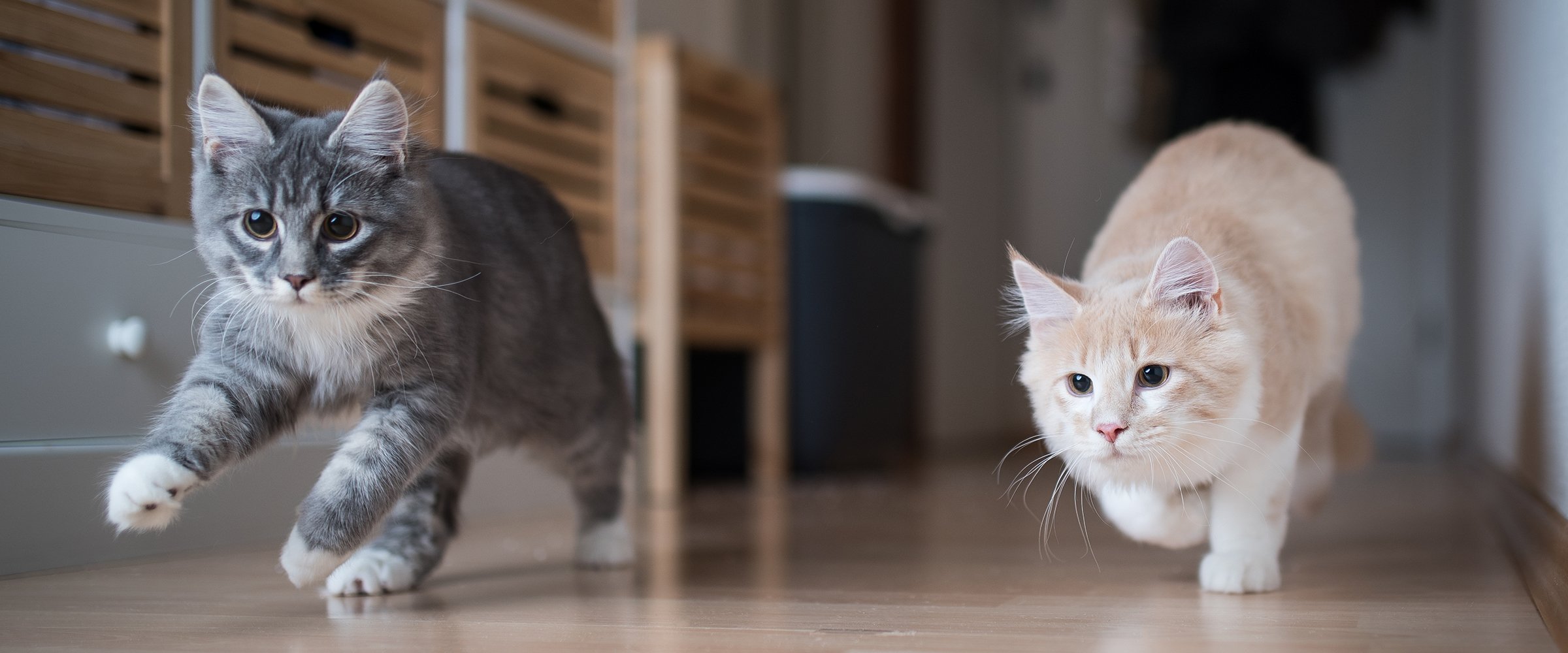
For kittens, play is not a luxury — it is how they learn. Through play, kittens develop their motor skills, build confidence, and begin to understand how to interact with people and other animals. It is also one of the most natural ways to strengthen the bond between you.
Even short, regular play sessions each day make a meaningful difference to your kitten's development. The benefits extend well beyond physical exercise — an engaged, stimulated kitten is also a calmer, more settled one.
Training and play often go hand in hand at this stage. Positive reinforcement is the most effective approach with kittens — rewarding the behaviours you want to encourage, whether that is using the scratching post, returning to the litter box, or responding to a simple command. Patience and consistency matter more than duration, and starting from day one helps establish good habits early.
The first weeks at home are a particularly important window. The routines and boundaries you introduce now will shape your kitten's behaviour for years to come — and the earlier you begin, the more naturally it all takes hold.
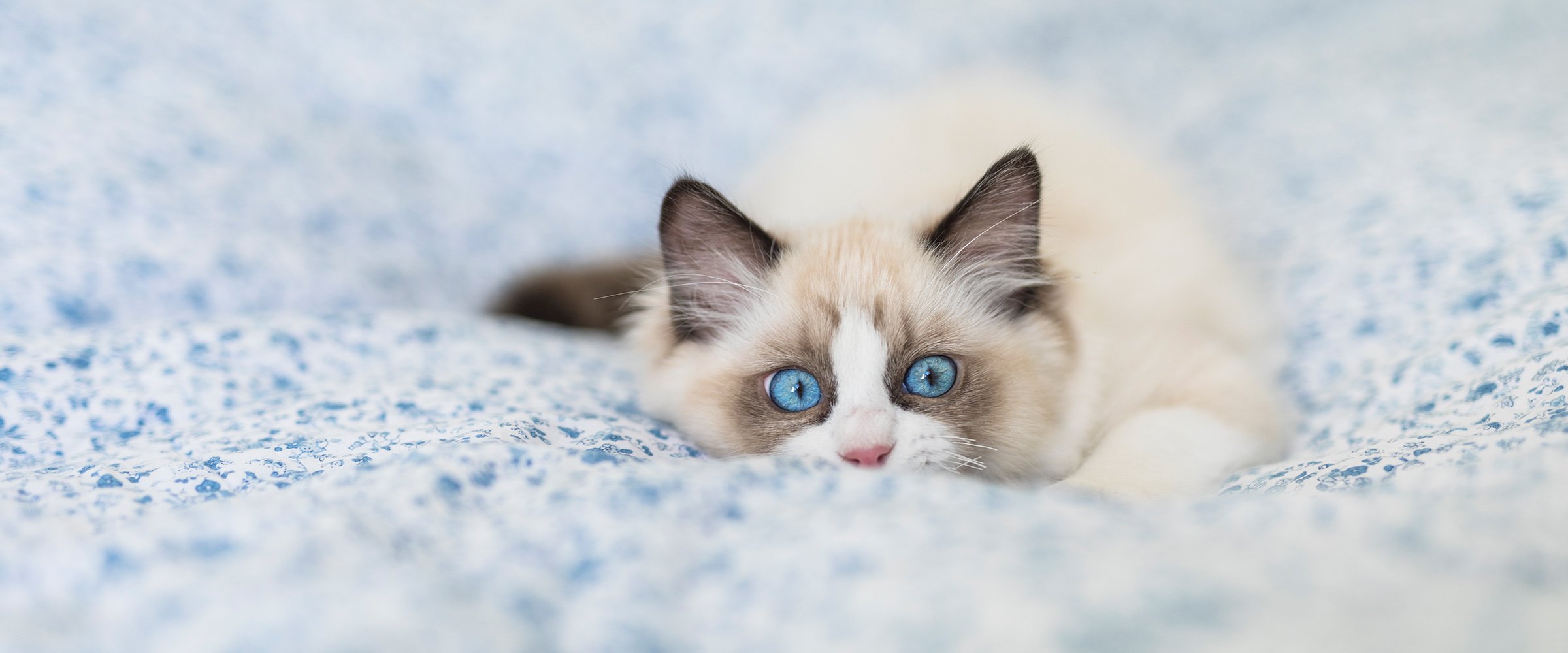
How to raise a confident, well-settled cat
Cats are naturally independent — and that is part of what makes them such rewarding companions. But independence is not the same as being difficult to raise. With the right approach, patience, and a little understanding of how cats think, you can build a relationship built on trust and mutual respect.
Raising a cat well is less about obedience and more about communication. Cats respond to consistency, calm, and positive reinforcement — and they are far more receptive to guidance than they are sometimes given credit for.
Whether you are navigating those first weeks at home or working through a specific behaviour, the principles are the same: go at your cat's pace, reward what you want to encourage, and avoid creating situations where stress or confusion can take hold.
Here is a short guide to help you along the way.
Litter training — a skill that comes naturally with the right support
Cats are instinctively clean animals, and the desire to bury and conceal waste is deeply ingrained — which means litter training is usually more straightforward than new owners expect. Most kittens from breeders or shelters will already have some familiarity with a litter box, so the main task is simply helping them find and feel comfortable with the one in their new home.
A few things are worth keeping in mind from the start. Avoid strongly scented litters initially — cats have highly sensitive noses, and an intense fragrance can be enough to put a kitten off using the box altogether. If you know which litter was used previously, sticking with the same type makes the transition easier.
As soon as your kitten arrives home, show them where the litter box is. You can gently place them inside so they get a sense of it straight away. From there, timing helps build the habit — kittens typically need to use the litter box after waking and after meals, so guiding them to it at those moments in the early days encourages the routine to take hold naturally.
When your kitten uses the litter box, a calm word of praise and a small treat reinforce the behaviour positively. Consistency and patience are what make the difference — and most kittens settle into a reliable routine more quickly than their owners expect.
.jpg)
Understanding your cat — learning to read the signals
Vocally, cats use a surprisingly varied range of sounds. A meow, a purr, and a hiss each carry very different meanings, and the context matters as much as the sound itself. Body language adds another layer — the position of the ears, the movement of the tail, and the way your cat holds themselves can all tell you whether they are relaxed, curious, unsettled, or simply asking to be left alone.
It is worth remembering that this is a two-way process. Just as you are learning to read your cat, your cat is learning to read you — picking up on your tone of voice, your movements, and your moods. The more time you spend together, the more fluent that communication becomes on both sides.
Observation is the best place to start. The more you notice how your cat responds to different situations and interactions, the easier it becomes to understand what they need — and to respond in a way that builds trust over time.
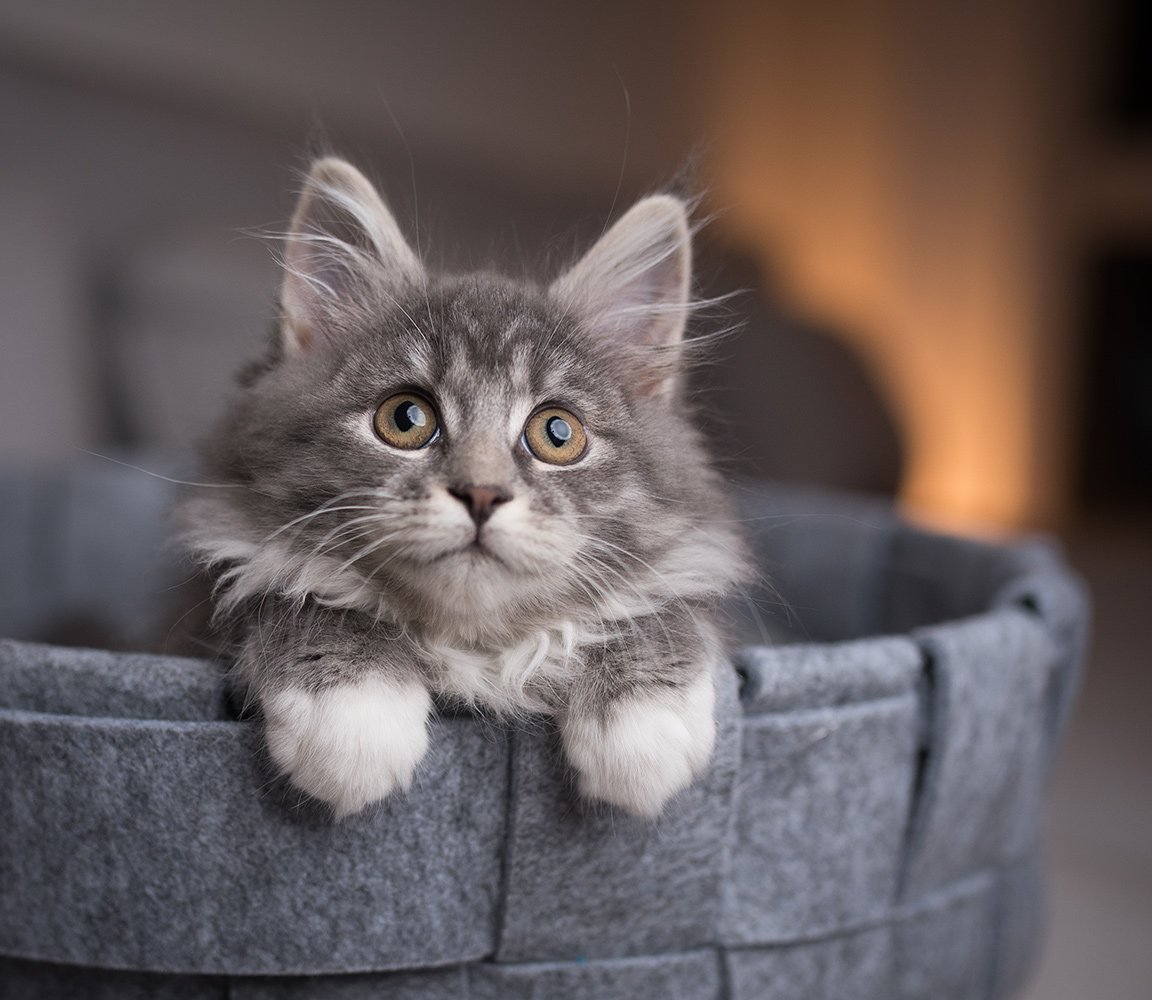

Helping your kitten feel comfortable alone
Kittens find their greatest comfort in company, especially in those first weeks away from their siblings and mother. Learning to be alone is an important skill — and like most things at this stage, it is best introduced gradually and without fuss.
Start with short absences, even just leaving the room for a few minutes, and build up slowly over time. The key is to keep departures calm and unremarkable. A lengthy goodbye can create anxiety where there was none, so leaving naturally and quietly is the most reassuring approach for your kitten.
A play session before you leave is a simple and effective way to help. A kitten that has used up some energy is a kitten that is much more likely to settle down and sleep once the house is quiet.
Leaving out a favourite toy, or having the gentle background noise of a radio or television, can also provide a sense of company and keep your kitten comfortable in the meantime.
With patience and a gradual approach, most kittens adjust to time alone more easily than their owners expect — and the confidence they build during this period stays with them as they grow.
Teaching your kitten to use a scratcher
Scratching is not a habit you can — or should — try to stop. It is a natural and necessary behaviour that helps your cat stretch their muscles, shed the outer layers of their claws, and keep themselves comfortable. The goal is simply to give them the right place to do it.
Introducing a scratcher early gives your kitten the chance to establish it as their go-to from the start. Every cat has their own preferences when it comes to shape, material, and position, so it may take a little trial and error to find what works best for yours. Some cats prefer a tall vertical post for a full body stretch, while others favour a flat or angled surface closer to the ground.
If your kitten needs a little encouragement, a sprinkle of catnip or a favourite toy placed nearby can help draw their attention to it. And if you catch them eyeing up the furniture, a calm redirection to the scratcher — rather than a sharp reaction — is the most effective response. Consistency here makes all the difference.
A kitten that learns early where to scratch is a much more settled housemate — and your sofa will thank you for it.

Opus Farm | Complete, grain free nutrition for active dogs with sensitive stomachs



Opus Lynx | Complete, grain free nutrition for adult cats

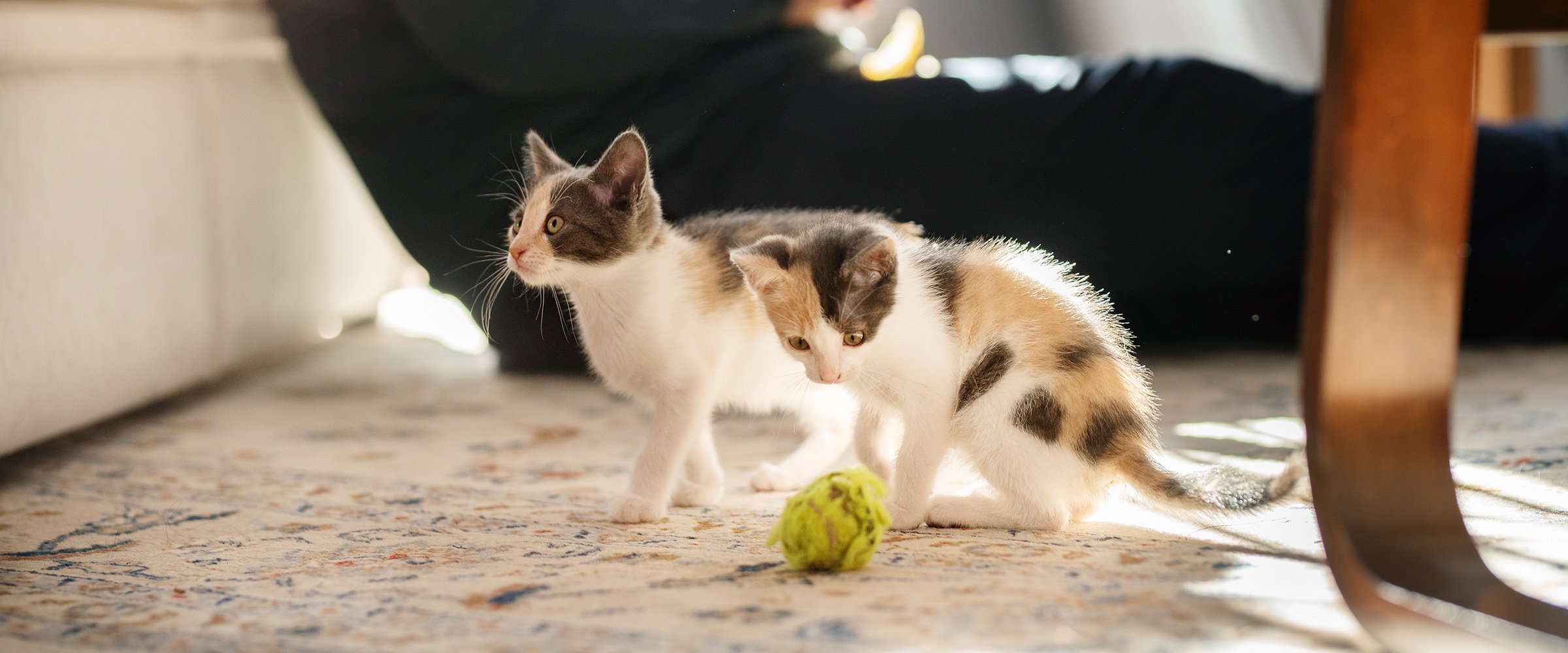
Kitten socialisation — taking it at the right pace
Cats are naturally territorial, and how they are introduced to new people, animals, and experiences in their early weeks has a lasting impact on how they respond to the world around them. The window between three and twelve weeks of age is particularly important for socialisation — gentle, positive exposure during this time helps kittens grow into confident, adaptable adult cats.
If you are introducing another pet into the home, patience is everything. Rushing the process is the most common mistake, and it can set back progress significantly. Begin by giving each animal their own separate, safe space — a place where they can feel secure without any pressure to interact.
The first introductions should happen through smell rather than direct contact. Allowing pets to become familiar with each other's scent before they meet face to face makes the eventual introduction much calmer for both animals. From there, brief, supervised encounters can be introduced gradually, always at a pace that both pets are comfortable with.
There is no fixed timeline for this process. Some cats adjust quickly, others need considerably more time — and that is entirely normal. Calm, unhurried introductions are always more effective than forced ones, and the patience you invest at this stage pays off in a more settled and harmonious household in the long run.
Playtime and learning — more than just fun
For kittens, play is not a luxury — it is how they learn. Through play, kittens develop their motor skills, build confidence, and begin to understand how to interact with people and other animals. It is also one of the most natural ways to strengthen the bond between you.
Even short, regular play sessions each day make a meaningful difference to your kitten's development. The benefits extend well beyond physical exercise — an engaged, stimulated kitten is a calmer, more settled one. Do not underestimate the role play has in your kitten's overall wellbeing, and try to set aside time for it every day.
Training and play often go hand in hand at this stage. Positive reinforcement is the most effective approach with kittens — calmly rewarding the behaviours you want to encourage, whether that is using the scratching post, returning to the litter box, or responding to a simple command. Praise, patience, and consistency matter more than duration, and starting from day one helps establish good habits before less helpful ones have a chance to take hold.
The first weeks at home are a particularly important window. The routines and boundaries you introduce now will shape your kitten's behaviour for years to come — and the earlier you begin, the more naturally it all takes hold.
It may still be useful:
_400x400.jpg "Exclusive Digest, 2 kg | Easy-to-digest formula for cats with sensitive digestive systems")
Exclusive Digest, 2 kg | Easy-to-digest formula for cats with sensitive digestive systems
€15.00
_400x400.jpg "Exclusive Sterilised, 2 kg | Dry food made to satisfy a sterilised cat’s unique nutritional needs")
Exclusive Sterilised, 2 kg | Dry food made to satisfy a sterilised cat’s unique nutritional needs
€20.00
_400x400.jpg "Exclusive Light, 2 kg | Cat dry food designed to help maintain healthy weight")
Exclusive Light, 2 kg | Cat dry food designed to help maintain healthy weight
€15.00
Learn more about healthy lifestyle
Teaching your cat tricks
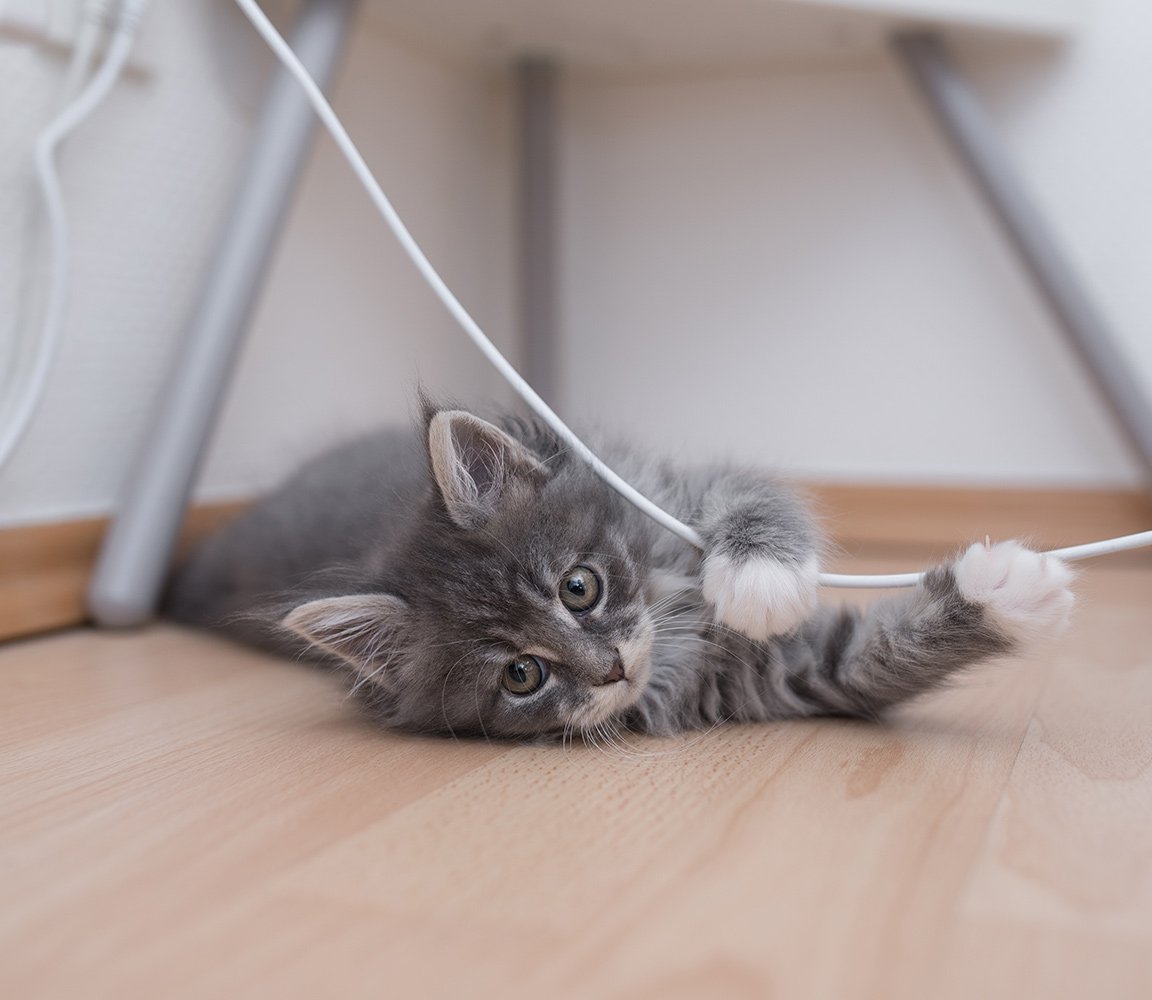
Although training a cat is more difficult, there are some tricks that can be taught to the cat