

Playtime and learning with a puppy
 Puppy
Puppy
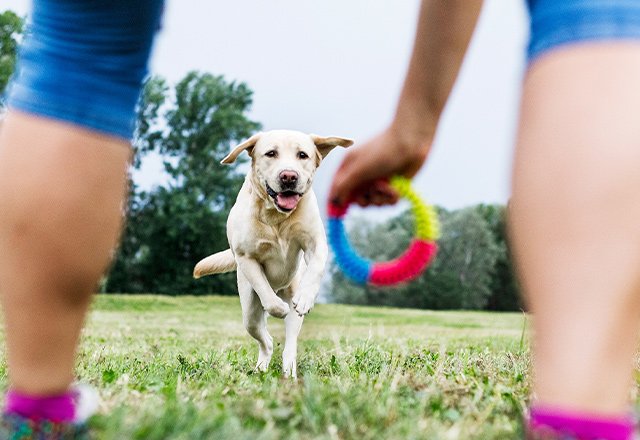
Play is one of the most important parts of a puppy's early development. It helps build motor skills, encourages social confidence, and gives you a wonderful opportunity to get to know your puppy and strengthen your bond together. A little time each day spent playing and learning goes a long way — and the earlier you begin, the better. Patience and consistency are the foundations of good training, and rewarding your puppy for the right behaviour will always get better results than correction alone.
Basic commands
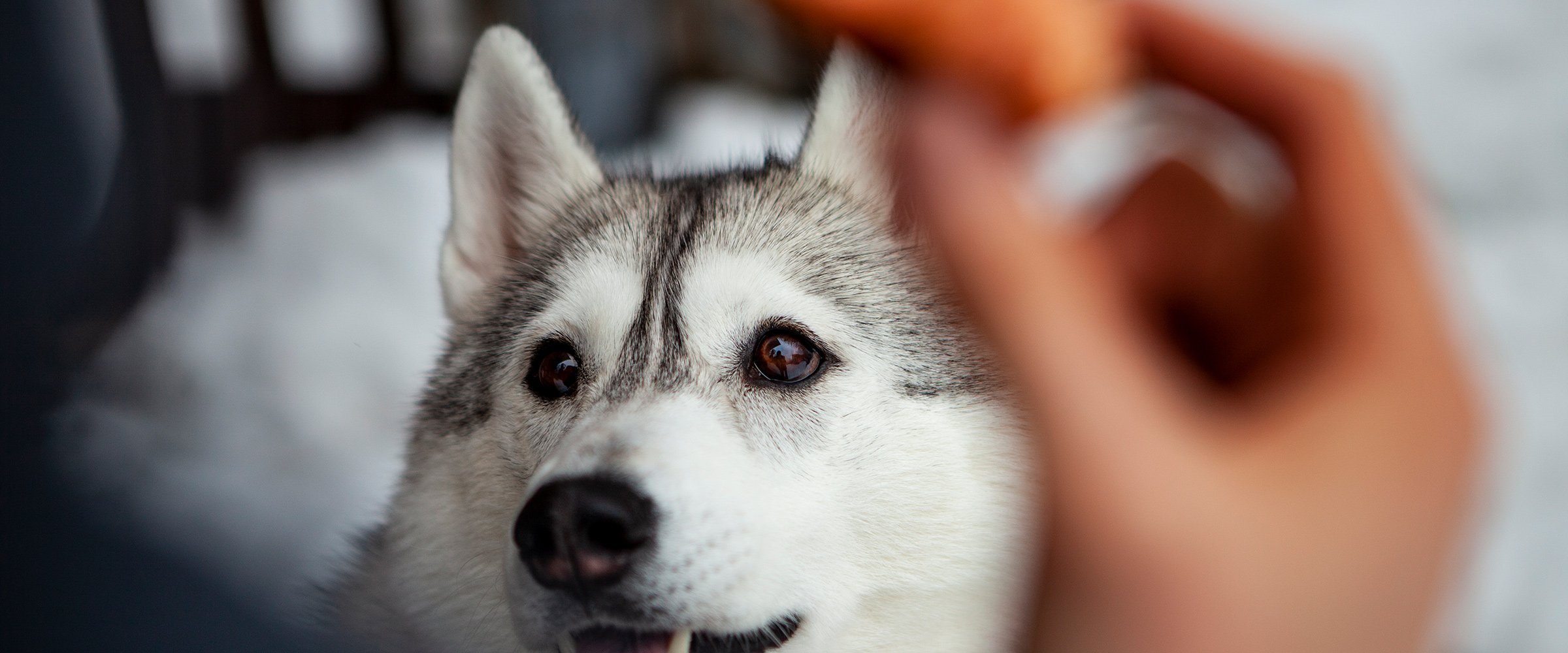
Teaching your puppy basic commands is about more than good manners — it is how you establish a shared language and build trust between you. Puppies are full of energy but can find it hard to concentrate for long stretches, so keep training sessions short and light-hearted, a few minutes at a time, a few times throughout the day. Somewhere between three and five months is a good time to begin introducing basic commands, though you can start building familiarity and routine from the very first day at home.
Getting started
Begin simply. Call your puppy by name and reward them warmly each time they respond and come to you. Once they have grasped this, you can introduce a recall command — one of the most important things your dog will ever learn. A reliable recall keeps your dog safe on walks and in new environments, so it is worth taking the time to build a strong, positive association with it from early on. Always pair the command with something your puppy enjoys, and they will learn it far more readily.
Socialisation
The third month of a puppy's life is an important window for socialisation. Introducing your puppy to different people, places, animals, and everyday situations during this period helps them grow into a calm, confident adult dog. Take your puppy with you wherever it is practical to do so — new sights, sounds, and encounters all help them learn how to navigate the world with ease.
Teaching boundaries
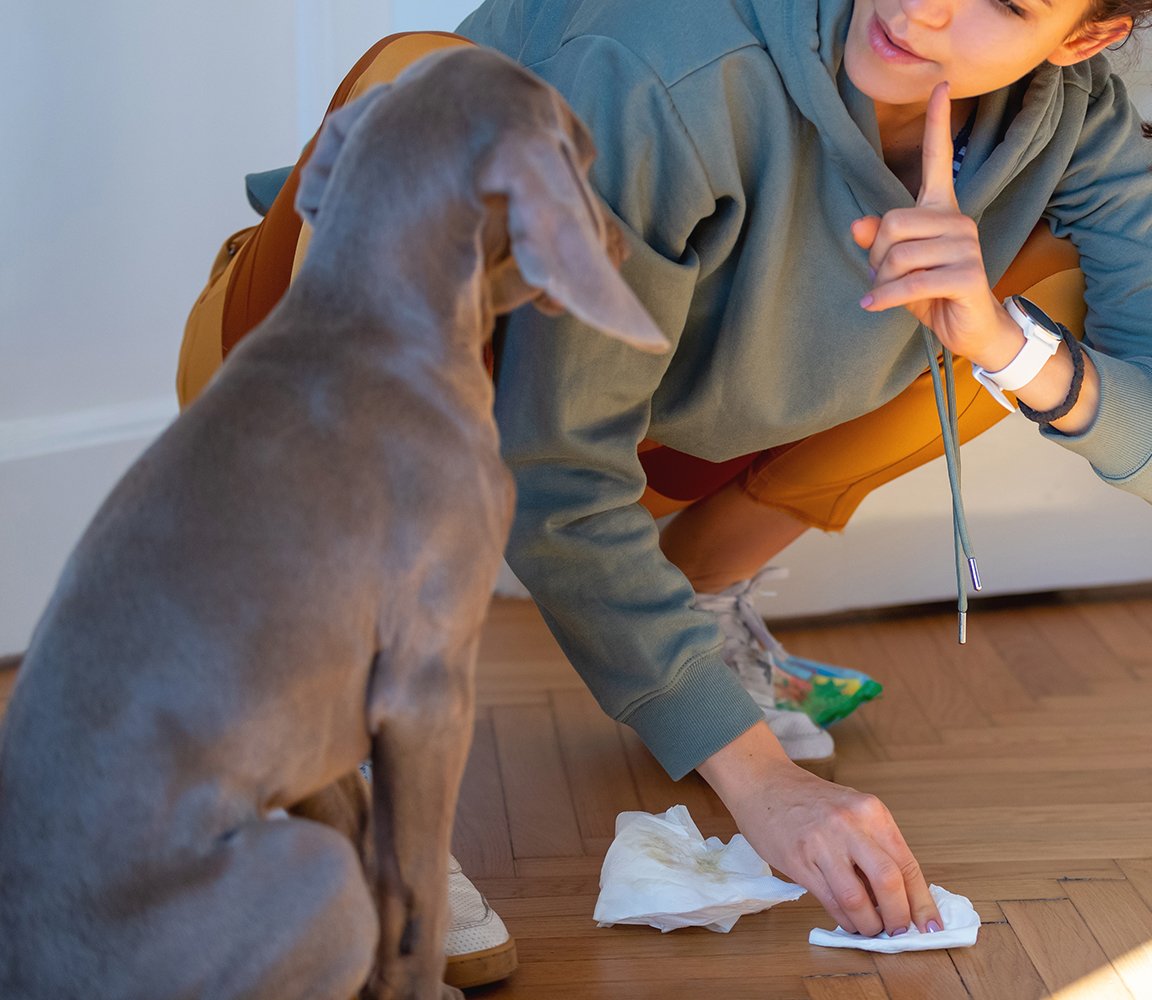
Helping your puppy understand what is and is not acceptable is a gentle, ongoing process. A clear, calm "No" — used consistently — teaches your puppy to stop an unwanted behaviour without creating anxiety. Redirecting their attention to something appropriate is often just as effective, and always rewarding the right response reinforces the behaviour you want to see.
Sit, lie down, and stay
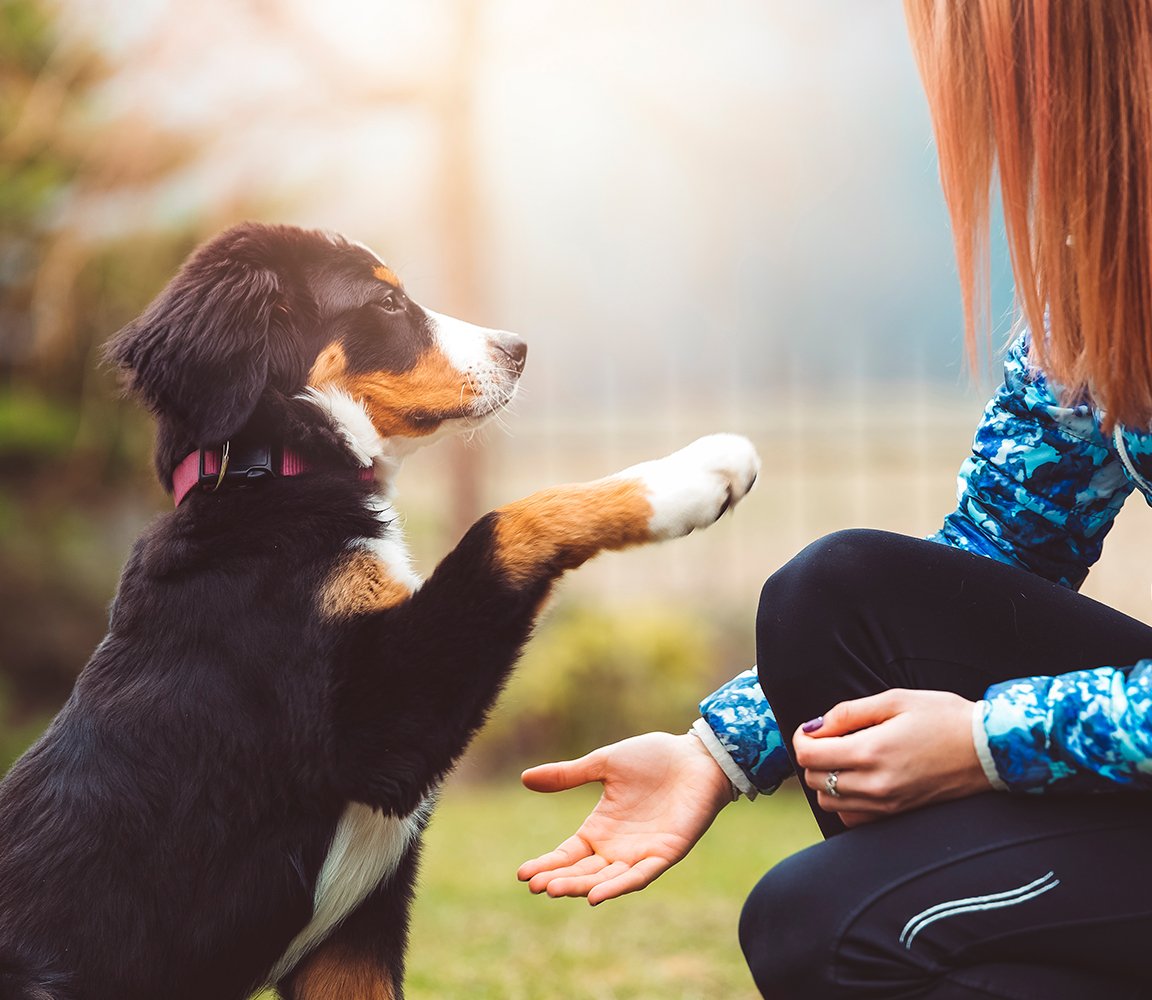
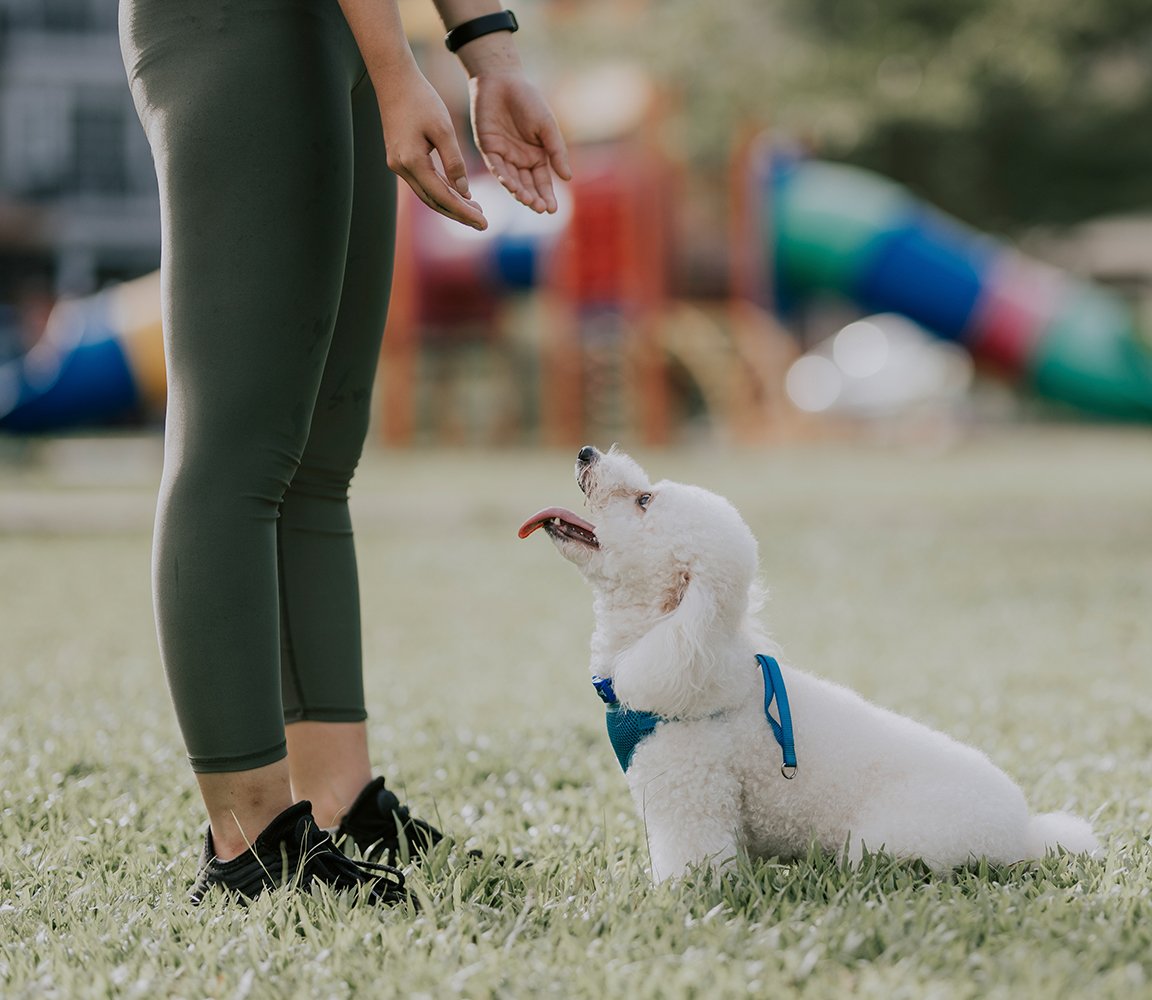
To teach "Sit", hold a treat just above your puppy's nose and slowly raise it upward. As their head follows the treat, their weight will naturally shift back and they will sit. The moment they do, reward them. Once the action is consistent, add the word "Sit" just before they go down. Once "Sit" is established, "Lie down" follows naturally. From a sitting position, bring a treat slowly toward the ground in front of your puppy. As they lower themselves to follow it, give the command and reward them as soon as they are down. "Stay" builds on both. Ask your puppy to sit, then show an open palm and give the command "Stay". If they hold the position, reward them calmly. Gradually extend the time they hold the stay, and then begin to introduce small amounts of distance — stepping back, then returning, before eventually moving further away. Progress at your puppy's pace and always reward them for getting it right.
„Remember that puppies have a lot of energy and usually cannot focus on one thing for long periods of time”
Extending commands
When you notice your dog stays still, begin to gradually increase the time he stays seated. Try to take a step back and come back to the same place, still with your hand open. If the dog is still sitting nicely, be sure to give him a reward. Over time, start walking further away from your pet and in different directions. At this stage, your dog needs to understand that your movement does not mean that he can also move. If the dog is still sitting well, reward his behavior with a treat.
In the last step of the exercise, you must teach your puppy that even if you walk more than a few steps away from him, he should still stay where he is. If it succeeds and the dog sits quietly awaiting the prize, praise him and give him a treat.
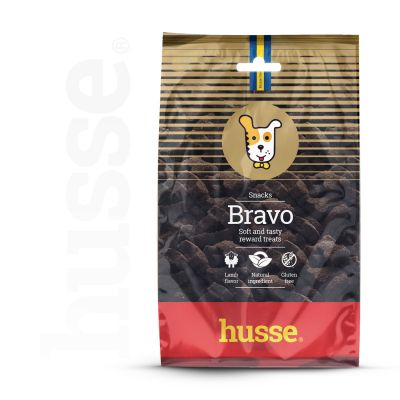
Bravo, 150 g | Gluten free snacks with lamb


Handling
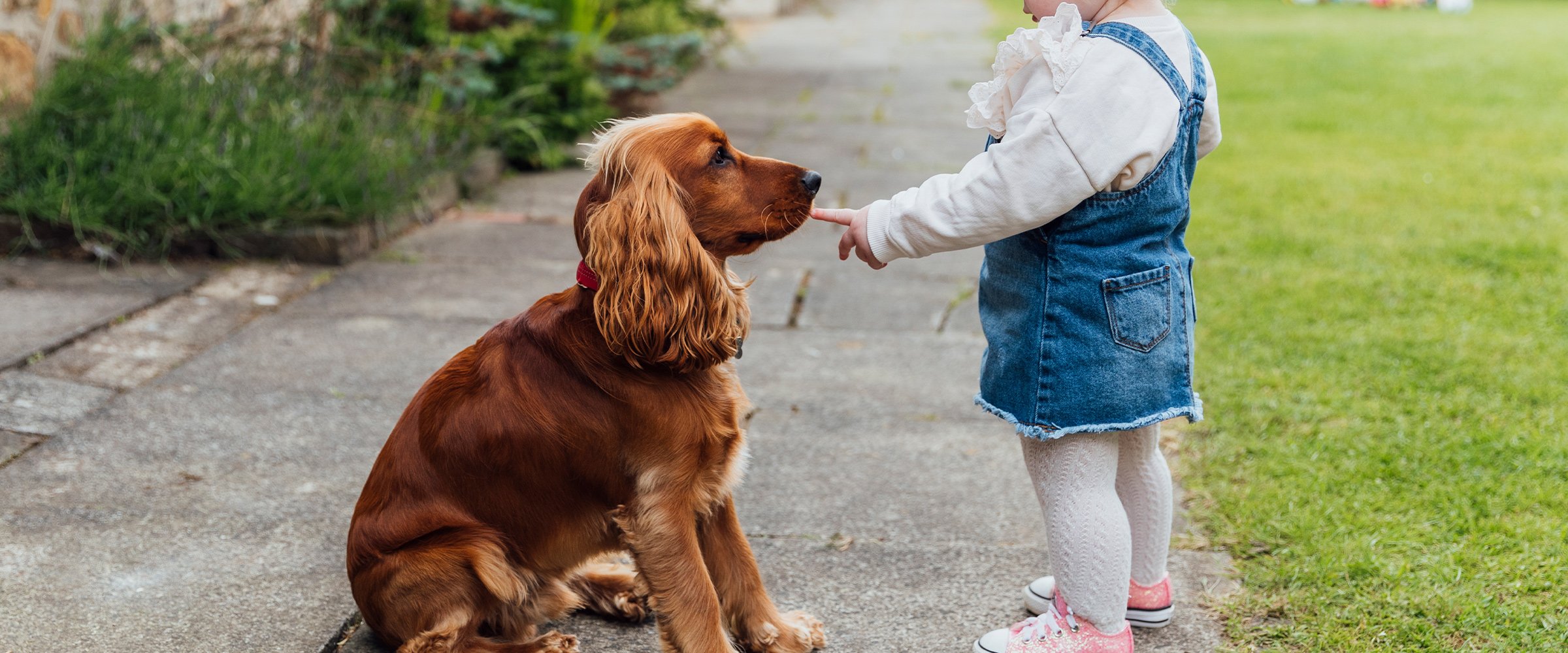
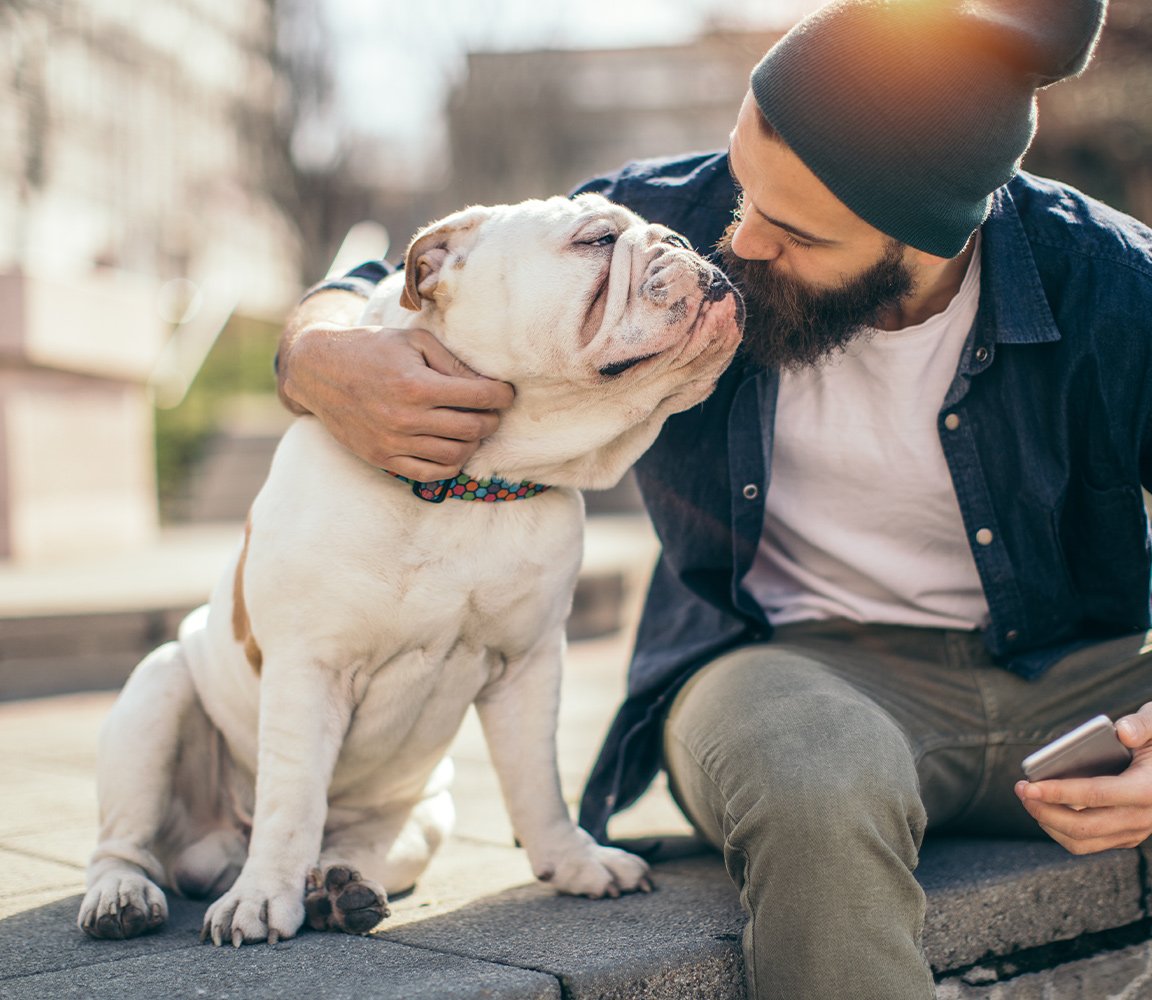
Between three and twelve months, it is worth spending time getting your puppy comfortable with being handled. Start simply by spending calm, quiet time together so your puppy learns to feel safe and relaxed in your presence. Gradually introduce gentle handling — touching their paws, ears, and mouth — so that vet visits, nail trims, and health checks feel familiar rather than stressful. A puppy that trusts you completely will find these moments much easier to manage throughout their life.
House training
House training takes time and patience, and most puppies find their feet between four and six months of age. Young puppies typically need to go after waking, after eating, and after active play — observing your puppy closely will help you learn to recognise the signs, such as restlessness or circling. When you notice these cues, calmly take your puppy to their designated spot and reward them straight away when they go in the right place.
As your puppy develops, you will be able to build a more predictable routine around walks, and they will gradually learn to manage their needs around those times. If accidents happen indoors, simply clean the area thoroughly and move on — your puppy is still learning, and consistency and encouragement will get you there far more reliably than frustration.
Leash training
From the very beginning teach your dog to wear a collar and a leash. First leash training can be done at home, where your puppy will find it much easier to focus. On a walk, there can be a lot of distractions your puppy will want to sniff, touch or explore. Be patient and get ready for many breaks when your dog goes to check something interesting. Take a few snacks with you - treats can be used to distract your puppy or reward good behaviour. Remember that even if your dogs spend a lot of time in your garden or back yard, you cannot skip your daily walks. Every dog, no matter big or small, needs three walks a day.
Other products for fun with puppies:
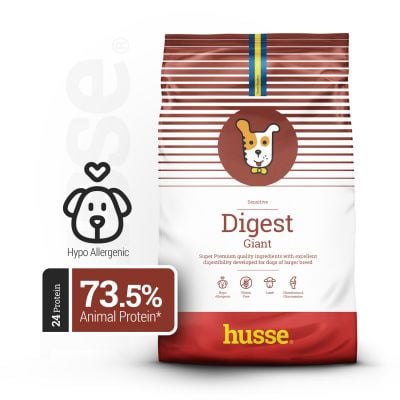
Sensitive Digest Giant, 12.5 kg | Gluten free recipe with limited animal protein sources
€11.00
_400x400.jpg "Exclusive Digest, 2 kg | Easy-to-digest formula for cats with sensitive digestive systems")
Exclusive Digest, 2 kg | Easy-to-digest formula for cats with sensitive digestive systems
€15.00
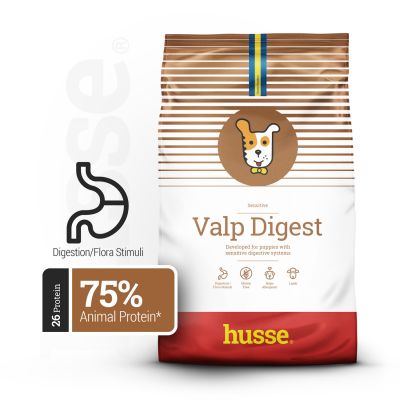
Sensitive Valp Digest, 7 kg | Dry food that supports the developmental needs of sensitive puppies
€10.00
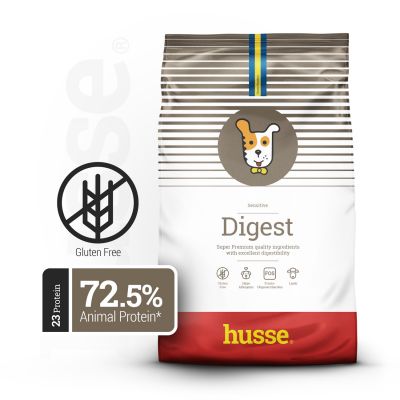
Sensitive Digest, 2 kg | Gluten free recipe with limited animal protein sources
€1.00