


Urinary tract issues in cats - why is it such a common problem?
 Problems with the urinary system
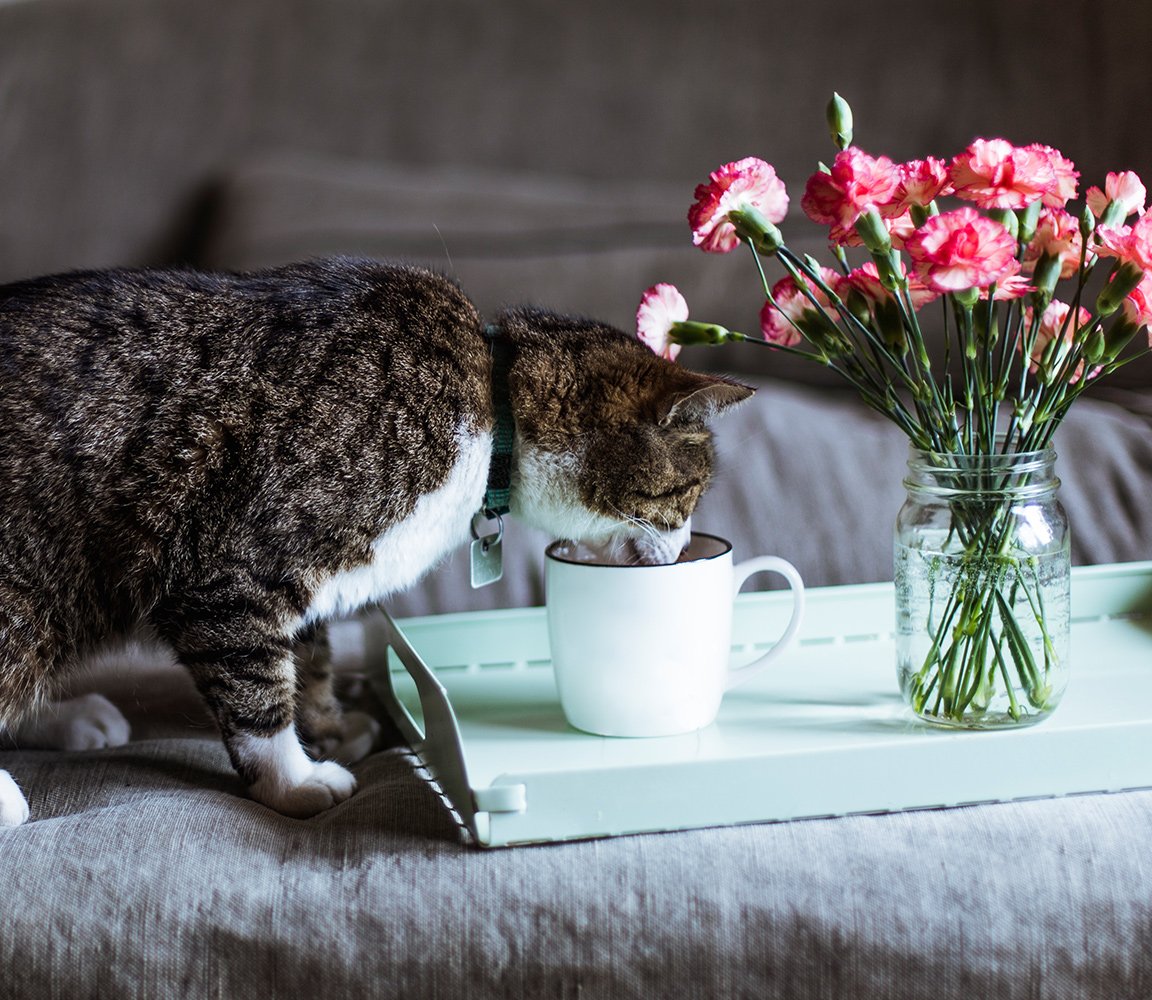
It comes down to instinct. Wild cats obtained most of their daily fluids from prey rather than standing water — and while domestic cats have adapted in many ways, that instinct hasn't entirely disappeared. Many cats are simply not drawn to drinking from a bowl, which can mean they don't take in enough fluid each day.
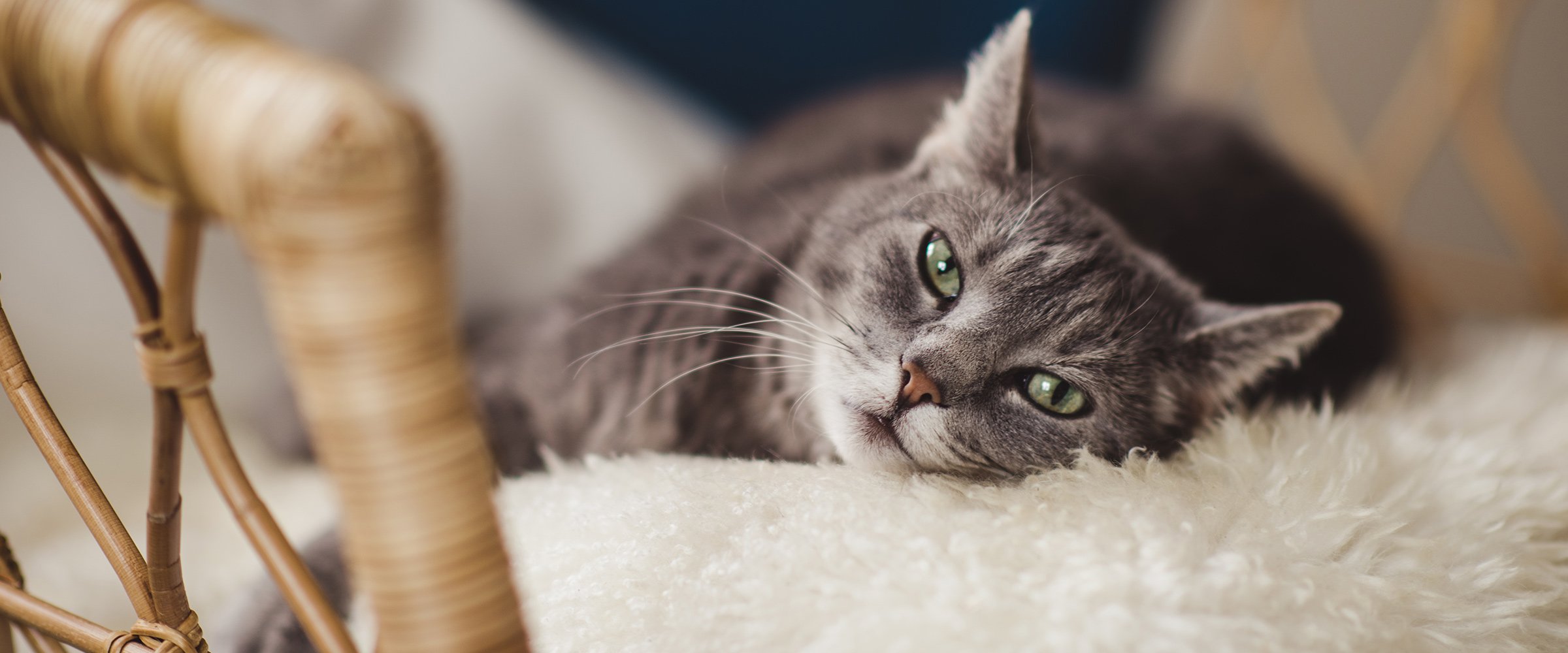
This is one of the most common concerns we hear from cat owners, and it's entirely understandable. Low daily fluid intake can put quiet pressure on your cat's urinary health over time — often without any obvious signs in the early stages.
The good news is that small, practical changes can make a real difference. From the type of food your cat eats to how water is offered, there are straightforward ways to support better hydration as part of an everyday routine.
If you're not sure whether your cat is getting enough fluids, your local Husse advisor can help you take a closer look at their current diet and suggest adjustments that suit them specifically.
Wet food or dry food — what's right for your cat?
Wet food naturally supports your cat's fluid intake, with a moisture content that can contribute meaningfully to their daily hydration. For cats who are prone to urinary health concerns, it's often worth considering as part of their regular diet.
That said, every cat is different. Some cats have a clear preference for dry food, and that preference matters. If your cat consistently favours dry kibble, there are other ways to support their hydration — and a combination of wet and dry food can work well for many cats as a practical middle ground.
There's no single right answer, and there's no need to feel uncertain if your cat doesn't follow the expected pattern. What matters most is finding a routine that works for your cat's individual needs.
Your local Husse advisor can help you think through the options and find a balance that suits your cat — whether that's a mixed feeding approach, a recipe with higher moisture content, or something else entirely.
How to introduce wet food to your cat's diet
When changing your cat's food, a gradual transition always works best. Introducing any new recipe slowly — mixing it with your cat's current food and increasing the proportion over time — gives their digestive system a chance to adjust comfortably.
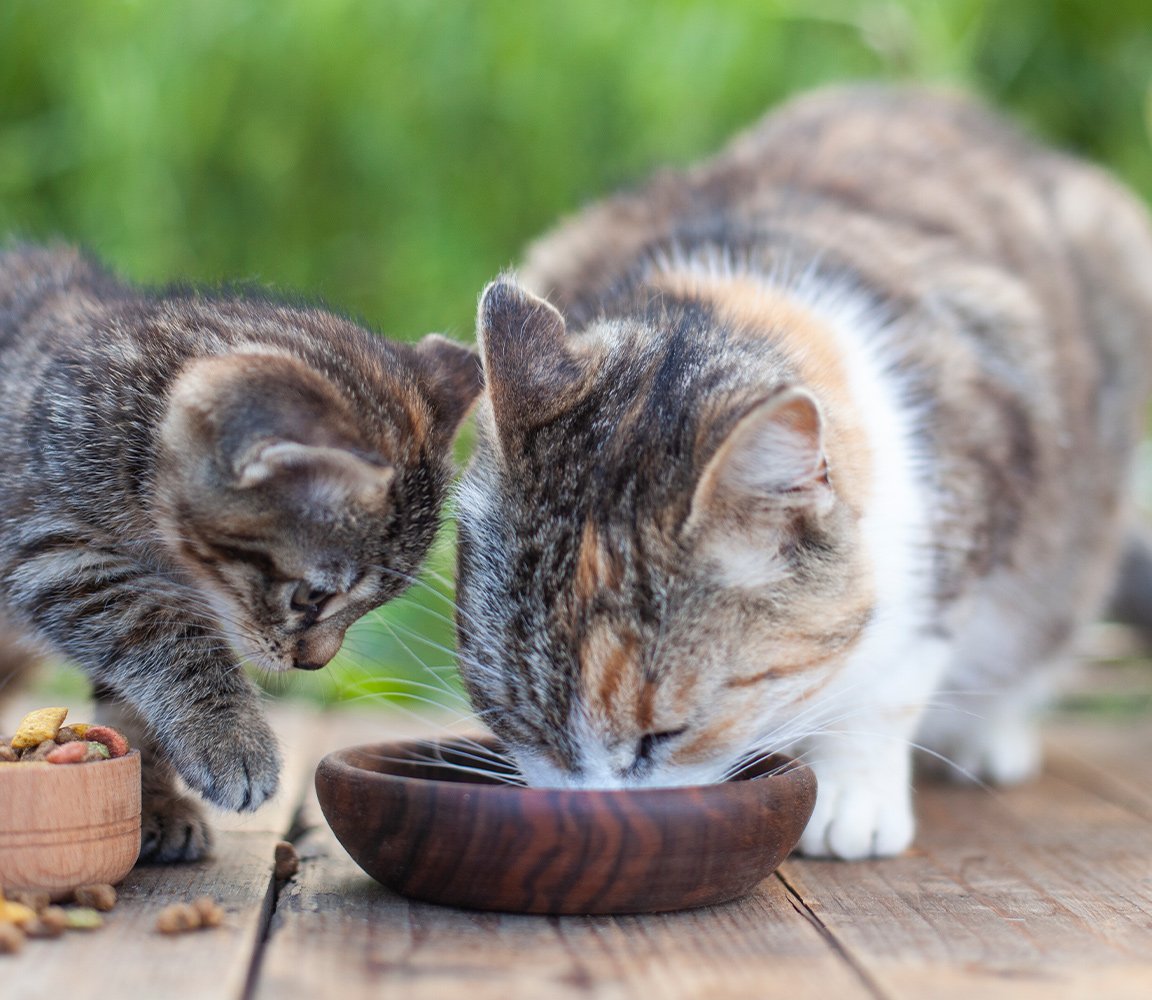
A practical starting point is to mix a small amount of wet food into your cat's usual dry food. This can also help with palatability, as many cats find the texture and aroma of wet food appealing. Wet treats can be a useful addition too, offering a gentle way to increase moisture in your cat's diet without a sudden change to their routine.
From there, you can gradually shift the balance at a pace that suits your cat. Some cats transition to a fully wet diet over time, while others continue to do well on a mix of both — and that's perfectly fine.
If you're unsure how to structure the transition for your cat specifically, your Husse advisor can help you put together a feeding plan that works for them.
Supporting your cat's urinary health through diet
Your cat's urinary system is more sensitive than it might seem, and what they eat plays a quiet but important role in keeping it healthy day to day. For cats who are prone to urinary discomfort, the right diet can make a real difference — supporting their overall wellbeing and helping to maintain a comfortable routine.
Husse offers recipes specifically developed with urinary health in mind, using carefully selected ingredients to support your cat's natural balance from the inside out.
As with any change to your cat's diet, it's worth getting personalised advice rather than making adjustments on your own. Your local Husse advisor can help you understand whether a urinary support recipe might be right for your cat, and how to introduce it gradually and confidently.
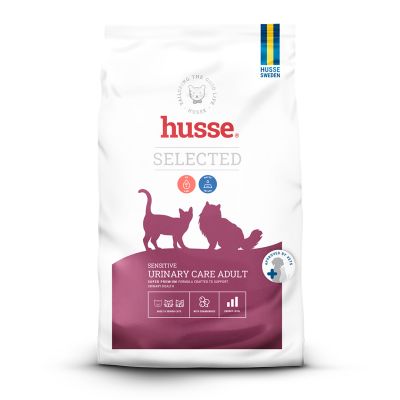
Sensitive Urinary Care Adult, 7 kg | Advanced nutrition made with ingredients known to acidify urine and support urinary health


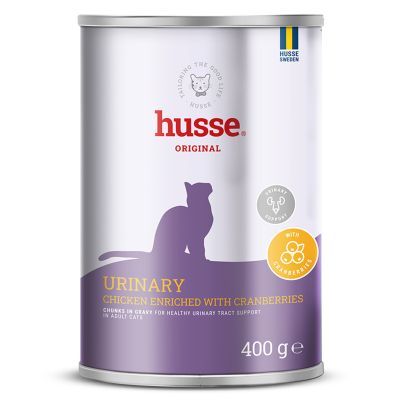
Urinary, chicken enriched with cranberries, pack | 12 cans of soft chunks rich in chicken in a juicy gravy


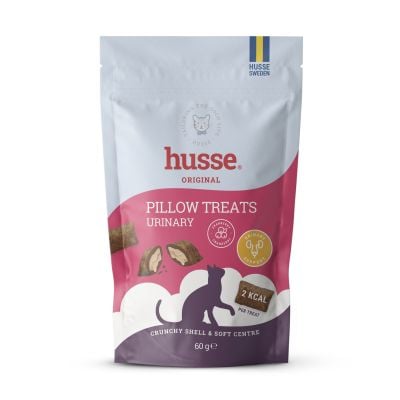
Pillow Treats Urinary, 60 g | Functional treats for cats with crunchy shell & soft centre

How to check if the cat has issues with urinary tract?
Cats have high pain tolerance, so even if your cat is in pain it can be really hard to tell. With urinary tract issues, you can see some other signals, for example, your cat may begin to mew in the litterbox. If your cat is suddenly urinating outside the litterbox, you better pay closer attention to see, what is happening. The quickest way to tell if your cat is experiencing urinary tract issues is through urinalysis. Collecting a sample of your cat’s urine can be a bit tricky, but if you want to make sure, you can use litter with protein indicator, which is usually the first symptom of problems with the urinary tract.
Other cat products for healthy urinary tract:
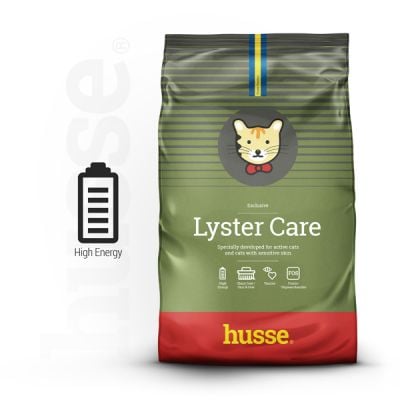
Exclusive Lyster Care, 2 kg | Kibbles for active cats or cats with sensitive skin & coat
€30.00
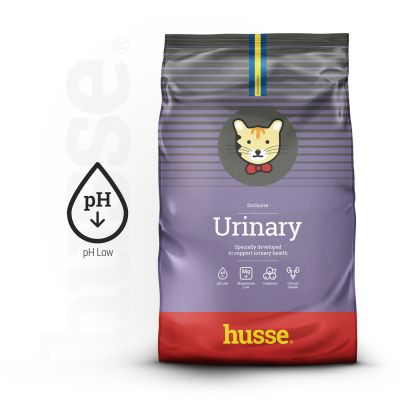
Exclusive Urinary, 2 kg | Complete cat nutrition that helps maintain urinary health
€20.00
_400x400.jpg "Exclusive Sterilised, 2 kg | Dry food made to satisfy a sterilised cat’s unique nutritional needs")
Exclusive Sterilised, 2 kg | Dry food made to satisfy a sterilised cat’s unique nutritional needs
€20.00
_400x400.jpg "Exclusive Light, 2 kg | Cat dry food designed to help maintain healthy weight")
Exclusive Light, 2 kg | Cat dry food designed to help maintain healthy weight
€15.00
Learn more about healthy lifestyle

Teaching your cat tricks
Although training a cat is more difficult, there are some tricks that can be taught to the cat