

Weight changes after neutering — what to expect and how diet can help
 Sterilized
.svg) Overweight
Overweight
Spaying or neutering is a routine part of caring for your cat, but it can bring some changes that are worth being aware of — including a shift in how your cat manages their weight.
Hormonal changes following the procedure can affect your cat's metabolism and appetite. In fact, neutered cats are believed to be three to four times more likely to gain weight than cats with an active reproductive system. This is a very common experience, and not something to worry about unduly — but it is something that benefits from a little extra attention when it comes to feeding.
Adjusting your cat's diet after neutering is one of the most straightforward ways to support their long-term health. The right recipe, in the right amount, can help your cat maintain a healthy weight and stay comfortable as they settle into their new normal.
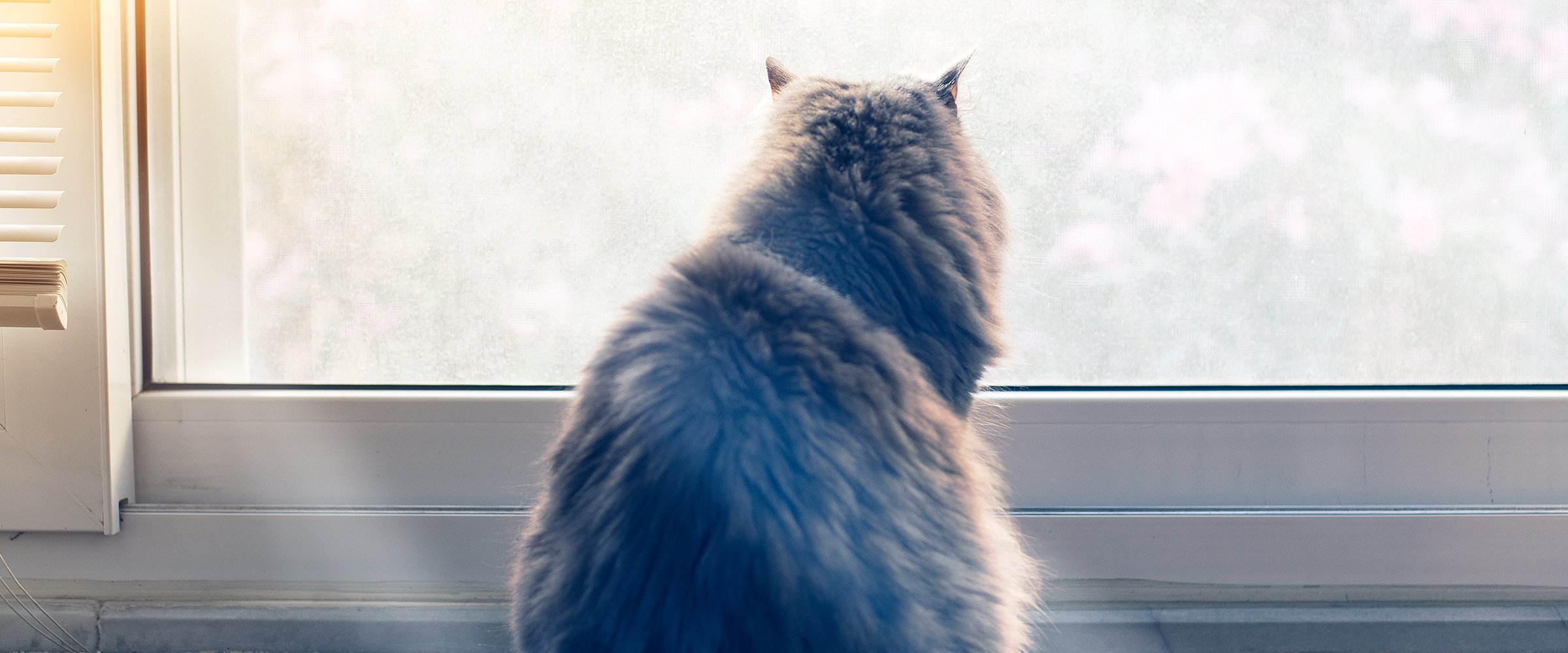
Why do neutered cats gain weight?
After spaying or neutering, a cat's energy requirements change noticeably. Their metabolism slows and their caloric needs can drop by around 30% compared to before the procedure — meaning that continuing to feed the same amount as before is likely to lead to gradual weight gain over time.
Choosing a recipe specifically developed for neutered cats makes it easier to manage this shift. These formulas are designed to support a healthy weight without leaving your cat feeling unsatisfied — an important balance, since appetite often remains unchanged even as energy needs decrease.
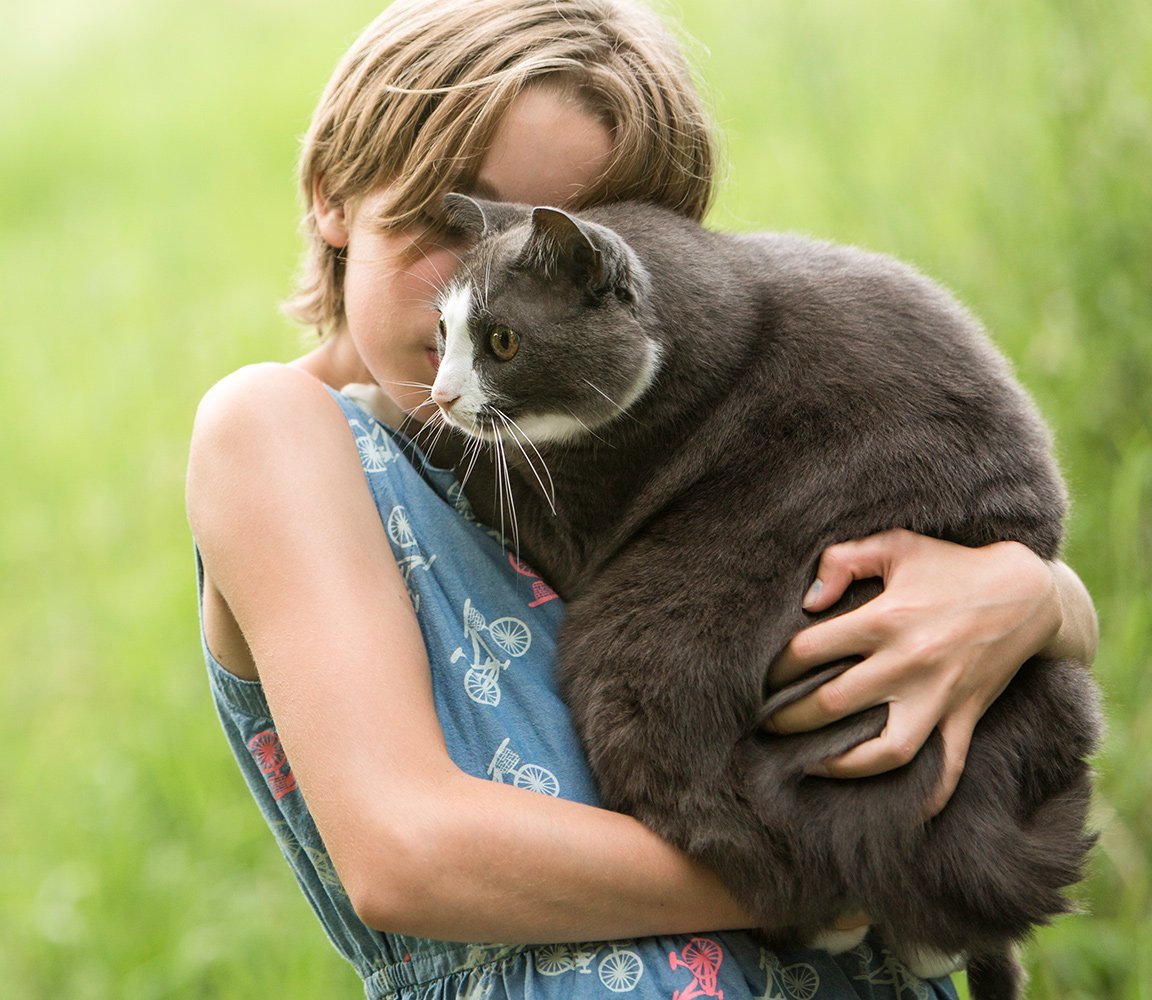
It's also worth knowing that several factors can influence how prone an individual cat is to weight gain after neutering. Male cats are generally considered slightly more susceptible than females. And cats that have a particularly close bond with their owners — and are fed generously as a result — may also be at greater risk, simply because affection and food can become intertwined without us realising it.
None of this means neutering should be approached with anxiety. With the right diet and a little guidance, it's entirely manageable.
Adjusting your cat's feeding habits
One of the most effective changes you can make after neutering is moving away from free feeding/ Ad libitum — where food is available at all times — and introducing a structured feeding schedule instead. When portions are defined and mealtimes are consistent, it becomes much easier to keep track of how much your cat is actually eating each day.
Treats and snacks are worth paying attention to as well. It's easy to underestimate how quickly they add up, particularly when they're given as small gestures throughout the day. As a general guide, treats should account for no more than 20% of your cat's total daily energy intake — with the remainder coming from their main meals.
A regular schedule, measured portions, and a little mindfulness around treats can make a meaningful difference to your cat's weight over time — without making mealtimes feel like a compromise for either of you.
Choosing the right food for your neutered cat
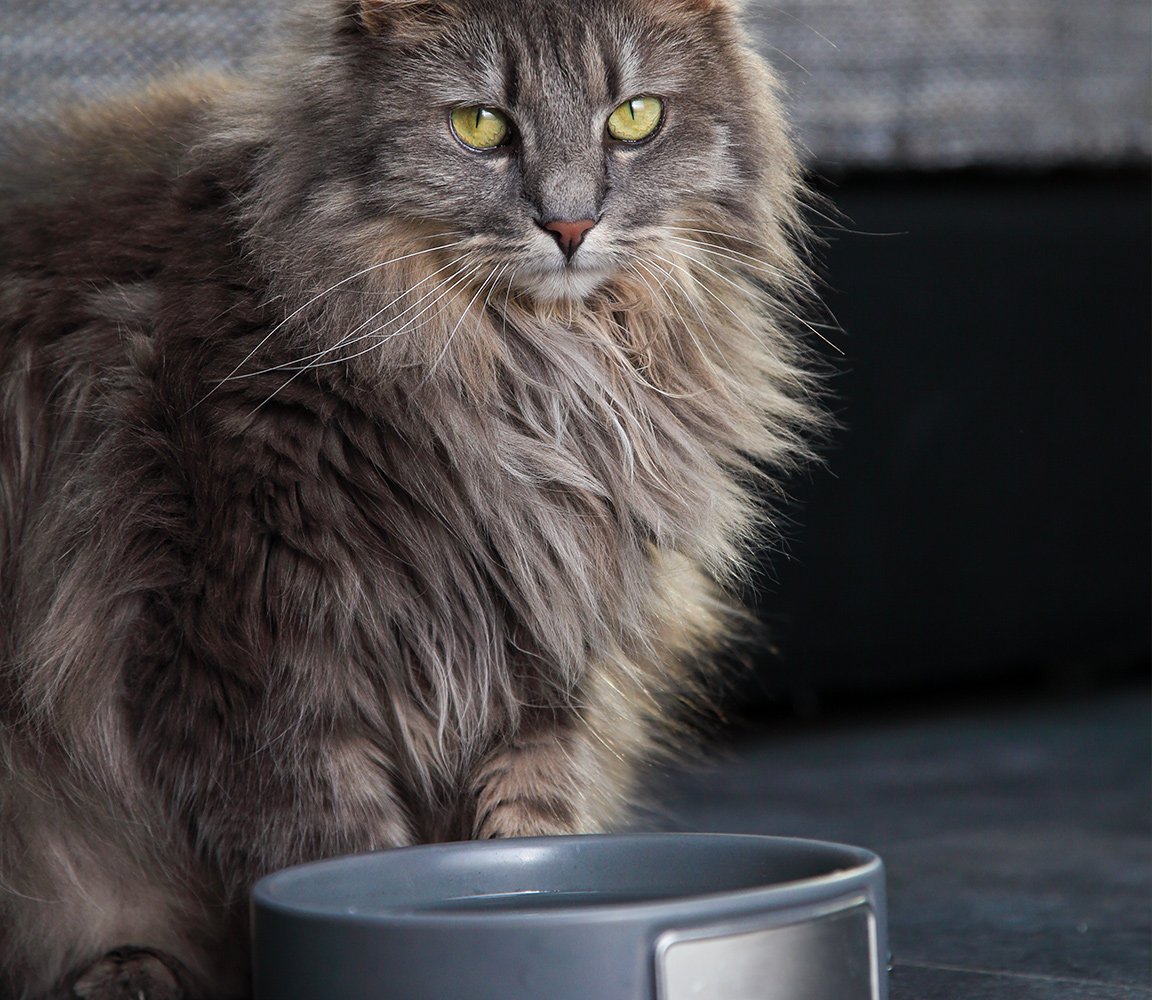
Portion control and a regular feeding schedule matter — but so does what's actually in the bowl. For neutered cats, the composition of their diet plays an important role in helping them maintain a healthy weight comfortably.
Recipes developed for spayed and neutered cats are typically lower in fat and higher in fibre, which helps your cat feel satisfied after meals without excess calories. Some formulas also include l-carnitine, an ingredient associated with supporting healthy metabolism and fat management as part of a balanced diet.
The same principle applies to treats. It's worth taking a moment to check what's in your cat's snacks — opting for options with simple, natural ingredients and a lower fat content is an easy way to keep their overall diet on track.
Taken together, the right recipe, sensible portions, and considered treat choices give your neutered cat the best foundation for staying healthy and comfortable long term.
Your Husse advisor can help you identify which recipe is the best fit for your cat's age, size, and individual needs — so you can feel confident in what you're feeding every day.
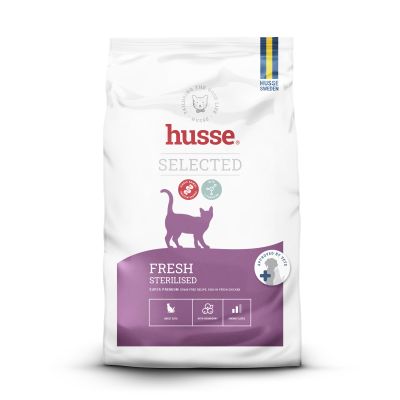
Fresh Sterilised, 7 kg | Grain free nutrition rich in fresh chicken


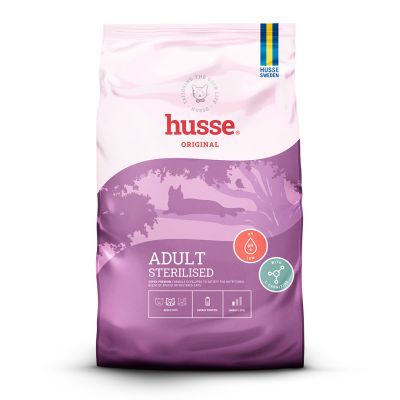
Adult Sterilised, 7 kg | Tailored to help support weight control in cats after sterilisation


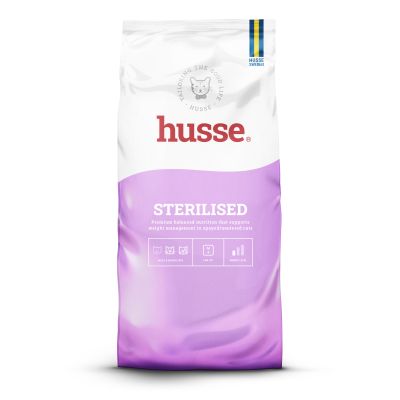
Sterilised, 3 kg | Premium recipe for adult cats


Pillow Treats Sterilised, 60 g | Functional treats for cats with crunchy shell & soft centre


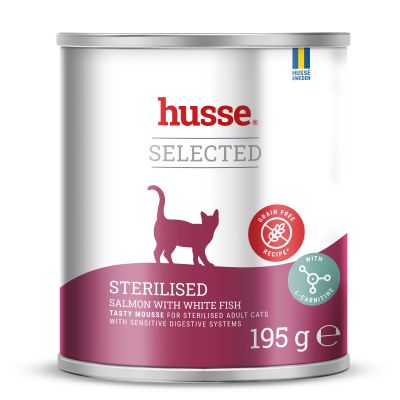
Sterilised, salmon with white fish, 195 g | Gourmet, grain free recipe in velvety mousse

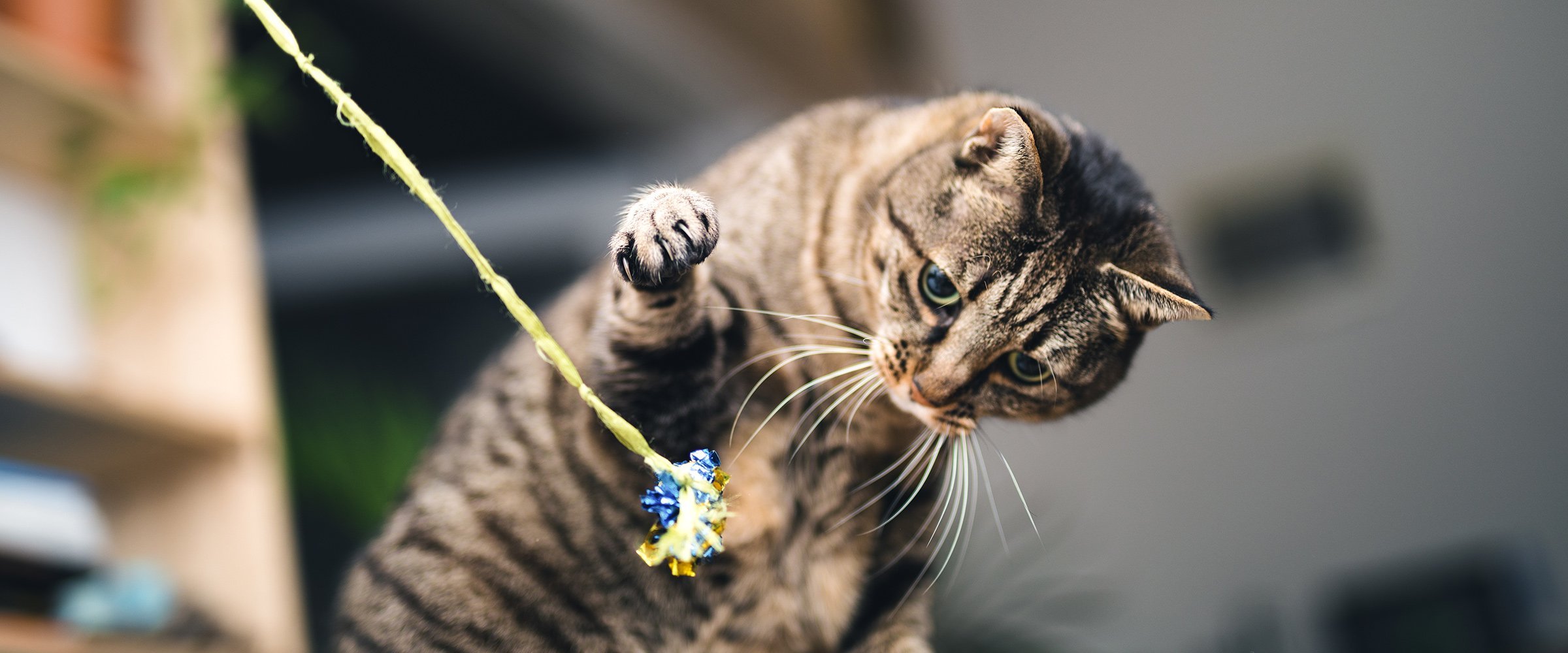
Supporting your cat's health through movement
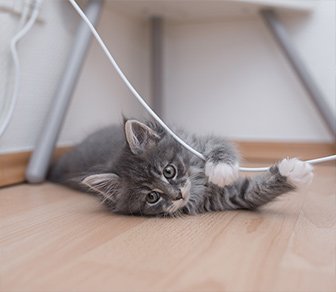
Diet is only part of the picture. Regular physical activity plays an important role in helping your neutered cat stay in good shape — and for most cats, that simply means making time for play.
Even a short daily play session can make a meaningful difference. Adult cats generally benefit from around 20 minutes of activity each day, though this doesn't need to happen all at once. For cats that lose interest quickly, a few shorter sessions spread across the day work just as well — and can actually be more engaging for them.
Finding what captures your cat's attention is part of the enjoyment. Some cats are motivated by movement, others by toys they can interact with independently. A little variety tends to keep things interesting.
Other products for sterilized cats:
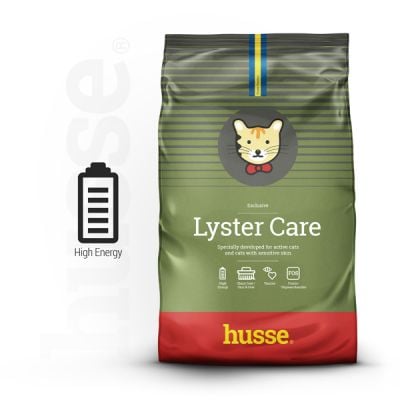
Exclusive Lyster Care, 2 kg | Kibbles for active cats or cats with sensitive skin & coat
€30.00
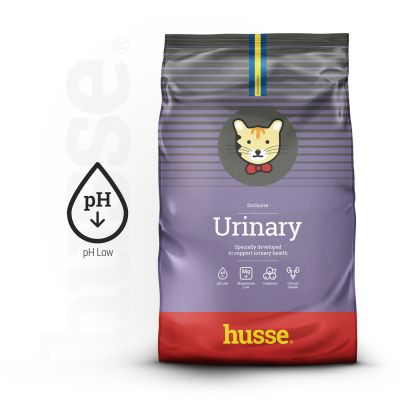
Exclusive Urinary, 2 kg | Complete cat nutrition that helps maintain urinary health
€20.00
_400x400.jpg "Exclusive Sterilised, 2 kg | Dry food made to satisfy a sterilised cat’s unique nutritional needs")
Exclusive Sterilised, 2 kg | Dry food made to satisfy a sterilised cat’s unique nutritional needs
€20.00
_400x400.jpg "Exclusive Digest, 2 kg | Easy-to-digest formula for cats with sensitive digestive systems")
Exclusive Digest, 2 kg | Easy-to-digest formula for cats with sensitive digestive systems
€15.00
_400x400.jpg "Exclusive Light, 2 kg | Cat dry food designed to help maintain healthy weight")
Exclusive Light, 2 kg | Cat dry food designed to help maintain healthy weight
€15.00
Learn more about healthy lifestyle

Teaching your cat tricks
Although training a cat is more difficult, there are a few tricks that can be taught to the cat