


Kitten starter kit - everything your kitten may need
 Kitten
You love your pet like he's a family member and you want to treat him well, but how do you know if he's at a healthy weight? Just like any other family member, it's important that he be healthy, as too much weight can lead to a host of health problems. It's also important that he not be too thin, as being underweight can weaken his immune system and shorten his lifespan.
Cat bowls — a simple choice that makes a real difference
It might seem like a small detail, but the right bowl can make mealtimes much more comfortable for your kitten — and cats can be surprisingly particular about where and how they eat.
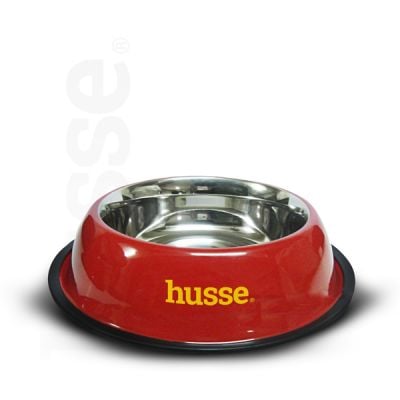
Look for a bowl that is shallow and wide. A cat's whiskers are highly sensitive, and a bowl with a larger circumference means they can eat without their whiskers pressing against the sides — something that can cause discomfort and put some cats off their food entirely.
Ease of cleaning matters too. A bowl that is quick to wash and free from lingering odours helps ensure every meal smells as fresh as it should — and smell is one of the most important factors in whether a cat will eat well. Stainless steel and ceramic bowls are both practical choices: durable, easy to clean, and dishwasher safe.
Your kitten's feeding setup is a small investment that supports good habits from the start. If you are unsure what to pair with your kitten's new bowl, your Husse advisor can help you put together a feeding routine that works for them.
Cat food — getting nutrition right from the start
Food is the most important part of your kitten's starter kit. And with kittens, it is worth thinking about more than just what they enjoy — what they eat in their first year shapes their health for the long term.
Wet food is a particularly good choice for cats who tend not to drink much water on their own. It provides complete, balanced nutrition while also supporting healthy hydration — something that matters more for cats than many owners realise.
Treats and snacks can also have a place in your kitten's routine. Used thoughtfully, they are a useful tool during training and a natural way to build trust and familiarity in those early weeks.
Your local Husse advisor can help you find the right balance — recommending the foods that suit your kitten's individual needs and showing you how treats can complement, rather than disrupt, a healthy feeding plan.
Litter box and litter — setting your kitten up for success
A litter box is an essential part of any kitten starter kit, and a little thought in choosing the right one can make the transition to a new home much smoother.
For younger, more active kittens, a covered litter box can help keep things tidy. It is also a good choice for kittens that are naturally more cautious or easily unsettled — the added privacy helps them feel secure and comfortable using it consistently.
When it comes to litter, continuity matters. If you know which type was used by your breeder or shelter, stick with the same one to begin with. Familiar smells and textures make the adjustment to a new environment easier, and a kitten that feels comfortable with their litter box from the start is much less likely to develop unwanted habits later.
Cat bed — a space your kitten can call their own
Cats spend a significant part of their day resting, and a comfortable bed is about more than just sleep. For a kitten adjusting to a new home, it quickly becomes a familiar, reassuring space — somewhere they can fully relax and feel secure.
A bed absorbs your kitten's scent over time, which helps them feel settled and at ease in their surroundings. It becomes their own corner of the home, and that sense of familiarity can make a real difference during those first weeks of adjustment.
Covered beds are worth considering too. They offer a natural hiding spot — useful during play, and equally reassuring in moments when your kitten needs a little quiet and calm.
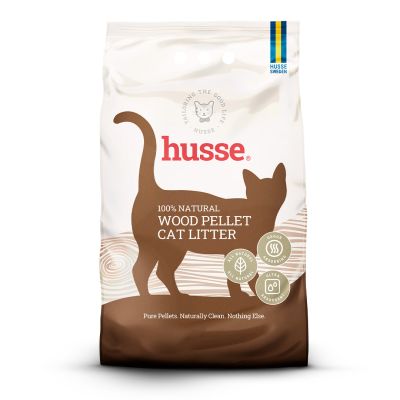
Wood Pellet Cat Litter, 12 L | Non-clumping cat litter made of pine sawdust


Fresh Balanced Growth Kitten, 7 kg | Advanced nutrition rich in fresh chicken to encourage lean and healthy growth


Kitten, 3 kg | Premium nutrition for healthy, steady growth and development
Cat scratcher — working with your kitten's natural instincts
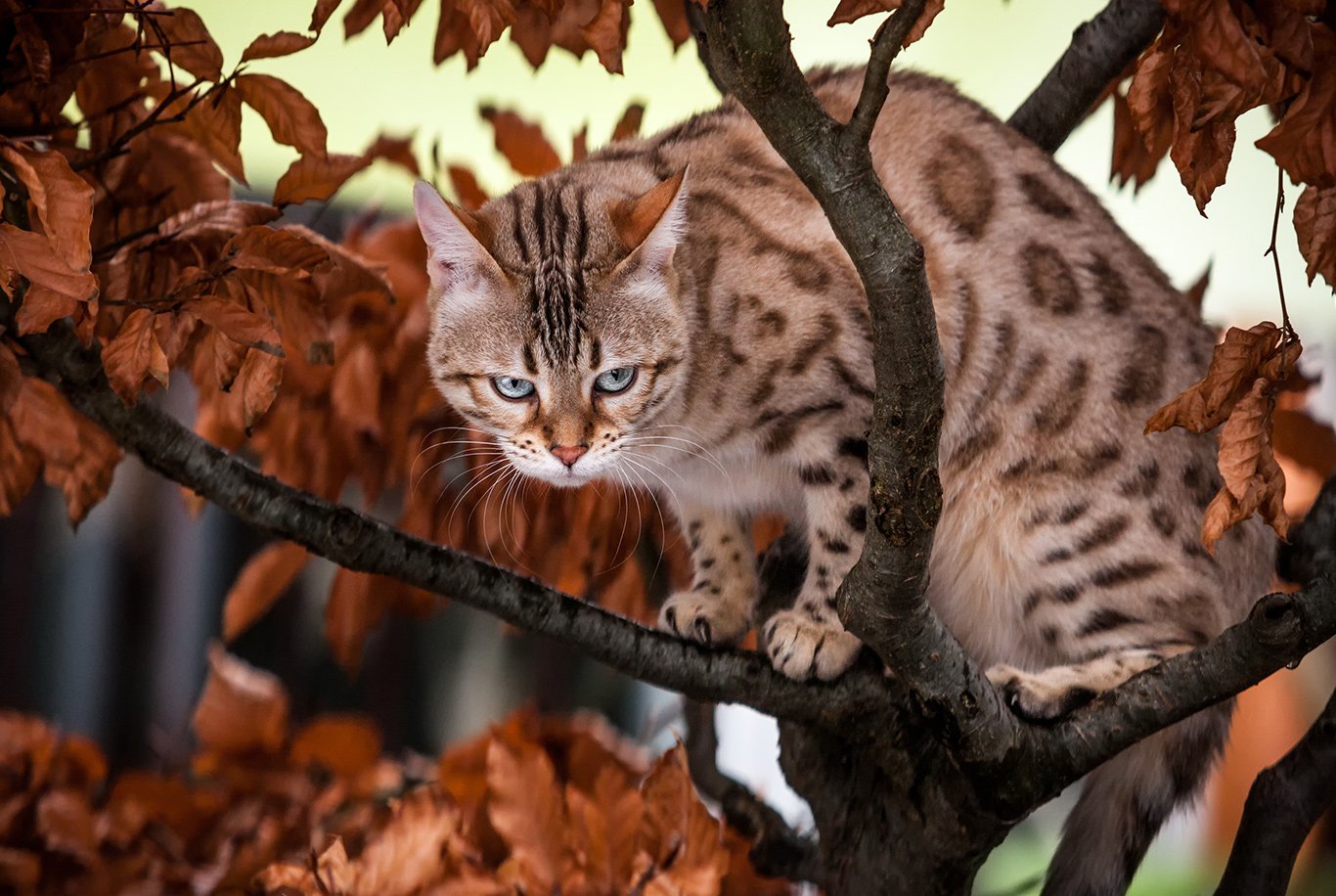
Scratching is not misbehaviour — it is a natural and necessary part of how cats look after themselves. It helps them clean their paws, shed the outer layers of their claws, and stretch their whole body in a way that keeps them comfortable and mobile.
Rather than trying to discourage scratching altogether, the simplest approach is to give your kitten somewhere appropriate to do it. A good scratcher introduced early becomes the obvious choice — and your furniture stays out of the equation.
Scratchers come in a variety of shapes and sizes, so it is worth trying one that suits your kitten's preferences. Some cats favour a tall vertical post for a full body stretch, while others prefer a flat or angled surface. Either way, having one in place from the start is one of the easiest things you can do to help your kitten settle in comfortably.
Cat toys — keeping your kitten active and engaged
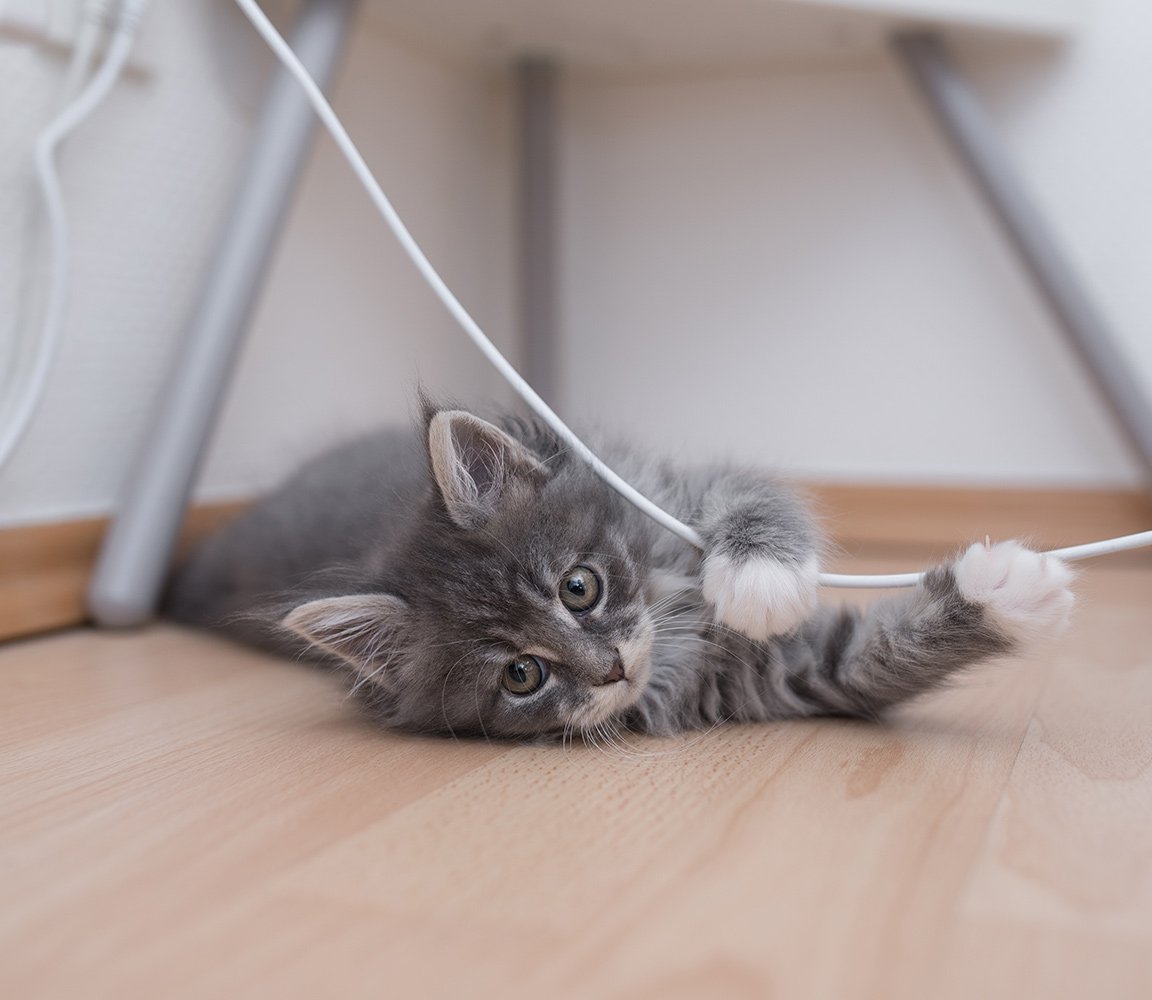
Play is an important part of your kitten's daily routine — and its benefits go well beyond entertainment. Regular playtime supports healthy muscle development, keeps their mind active, and is one of the simplest ways to build a strong bond between you.
Kittens have a lot of energy, and a kitten with an outlet for that energy is a much more settled and contented companion. Without regular stimulation, they will naturally find their own ways to stay busy — which does not always align with your own ideas for the home.
A few well-chosen toys go a long way. Variety helps too — different textures, movements, and types of play keep things interesting and engage different natural instincts. Even short, regular play sessions each day make a noticeable difference to your kitten's mood and behaviour.
Other products should have for a new family member:
Learn more about healthy lifestyle
Teaching your cat tricks
Although training a cat is more difficult, there are some tricks that can be taught to the cat