


Bringing your kitten home — what to expect on day one
 Kitten
The first day in a new home is a big experience for a kitten. They are leaving behind everything familiar — their littermates, their mother, the smells and sounds they have grown up with — and arriving somewhere entirely new. It is natural for them to feel unsettled, and a little patience in those first hours makes a real difference.
Your role on day one is less about introducing everything at once and more about giving your kitten the space to adjust at their own pace. A quiet room, a comfortable bed, and access to food and water is a calm and reassuring start.
These early days are also a gentle opportunity to begin establishing a routine — consistent mealtimes, a designated sleeping space, and clear, calm boundaries that will help your kitten feel secure as they grow in confidence.
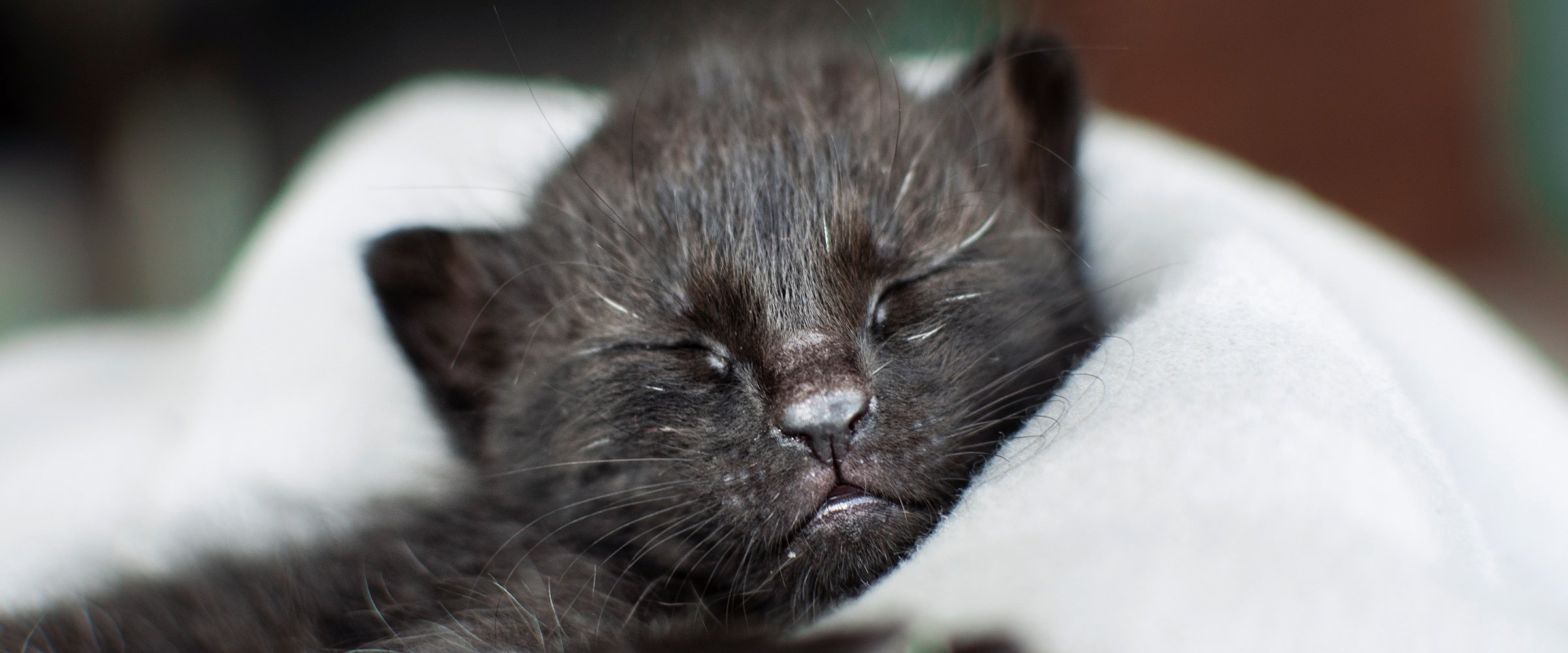
Creating a safe environment for your kitten
Before your kitten arrives, it is worth taking a little time to see your home through their eyes. Kittens are naturally curious, and on their first day they will want to explore — often finding their way into small, tucked-away spaces that feel safe and sheltered.
Take a walk through each room and check the less obvious spots — gaps behind appliances, spaces under furniture, and any areas that would be difficult to access in a hurry. Block off anything that should stay out of bounds, and tuck away any visible cables, particularly ones that hang or dangle, as these can quickly become an irresistible source of entertainment.
A little preparation before your kitten comes home means you can focus on helping them settle, rather than worrying about where they might have got to.
Introducing the litter box — one of your first priorities
One of the first things to do when your kitten arrives home is to show them where their litter box is. Many kittens from breeders or shelters will already be familiar with using one — but they still need to learn where to find it in an unfamiliar environment, and that first introduction matters.
If you know which type of litter was used before, try to match it as closely as possible. Familiar textures and smells reduce confusion and help your kitten feel confident using it straight away.
Timing can help too. Kittens typically need to use their litter box after waking and after meals, so guiding them to it at those moments — calmly and without fuss — helps build the habit naturally. When they use it, a little praise and an occasional treat reinforce the behavior in a positive way.
Consistency is what makes the difference here. The more regularly you guide and reward your kitten in those early days, the quicker they will find their own way there without any prompting.
Time to explore — letting your kitten find their feet
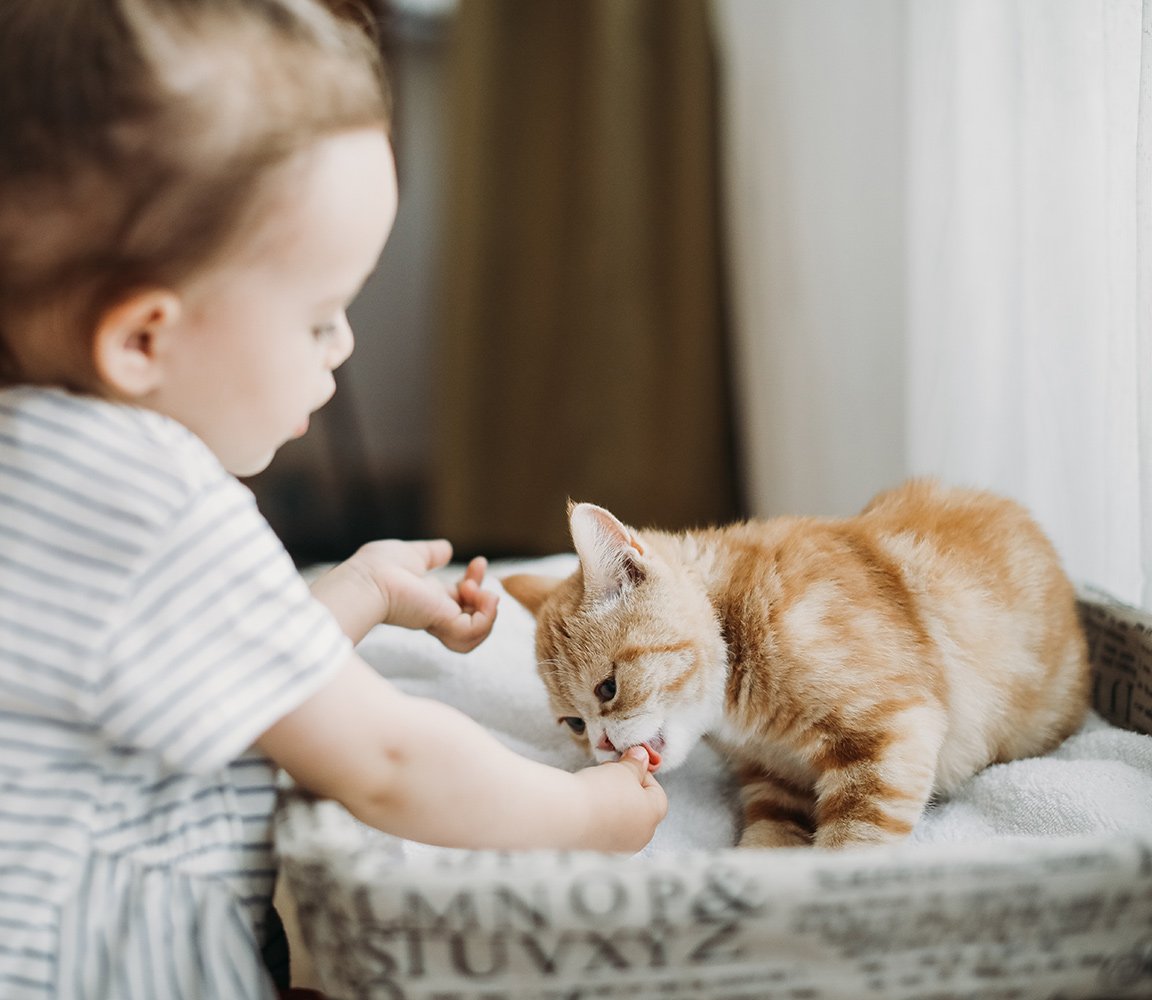
Your kitten will spend much of their first day taking in their new surroundings, and the best thing you can do is let them do so in their own time. Curiosity and caution often go hand in hand at this stage — some kittens will explore confidently from the start, while others will find a quiet corner and observe from a safe distance.
If your kitten retreats under the bed or tucks themselves away beside the sofa, there is no need to coax them out. You can gently offer a toy or a small treat as an invitation, but if they are not ready, simply give them space. Forcing interaction too soon can set back confidence rather than build it.
Every kitten adjusts at their own pace. A calm, unhurried approach in these first days lays the groundwork for a trusting and settled relationship in the weeks ahead.


Wood Pellet Cat Litter, 12 L | Non-clumping cat litter made of pine sawdust


Where will your kitten sleep?
Cats are champion resters — sleeping anywhere between 12 and 16 hours a day, and spending much of the remaining time finding the warmest, most comfortable spot in the house. For a kitten still adjusting to a new environment, having a dedicated space to rest is more important than it might seem.
A comfortable bed quickly becomes more than just a sleeping spot. It becomes your kitten's own space — somewhere familiar and reassuring to retreat to, whether they want to nap, store a favourite toy, or simply take a moment away from the activity of the household.
Placing the bed somewhere quiet and consistent helps your kitten feel settled. Once they have claimed it as their own, you will likely find it becomes their first choice whenever they need to rest or recharge.
What can your kitten scratch?
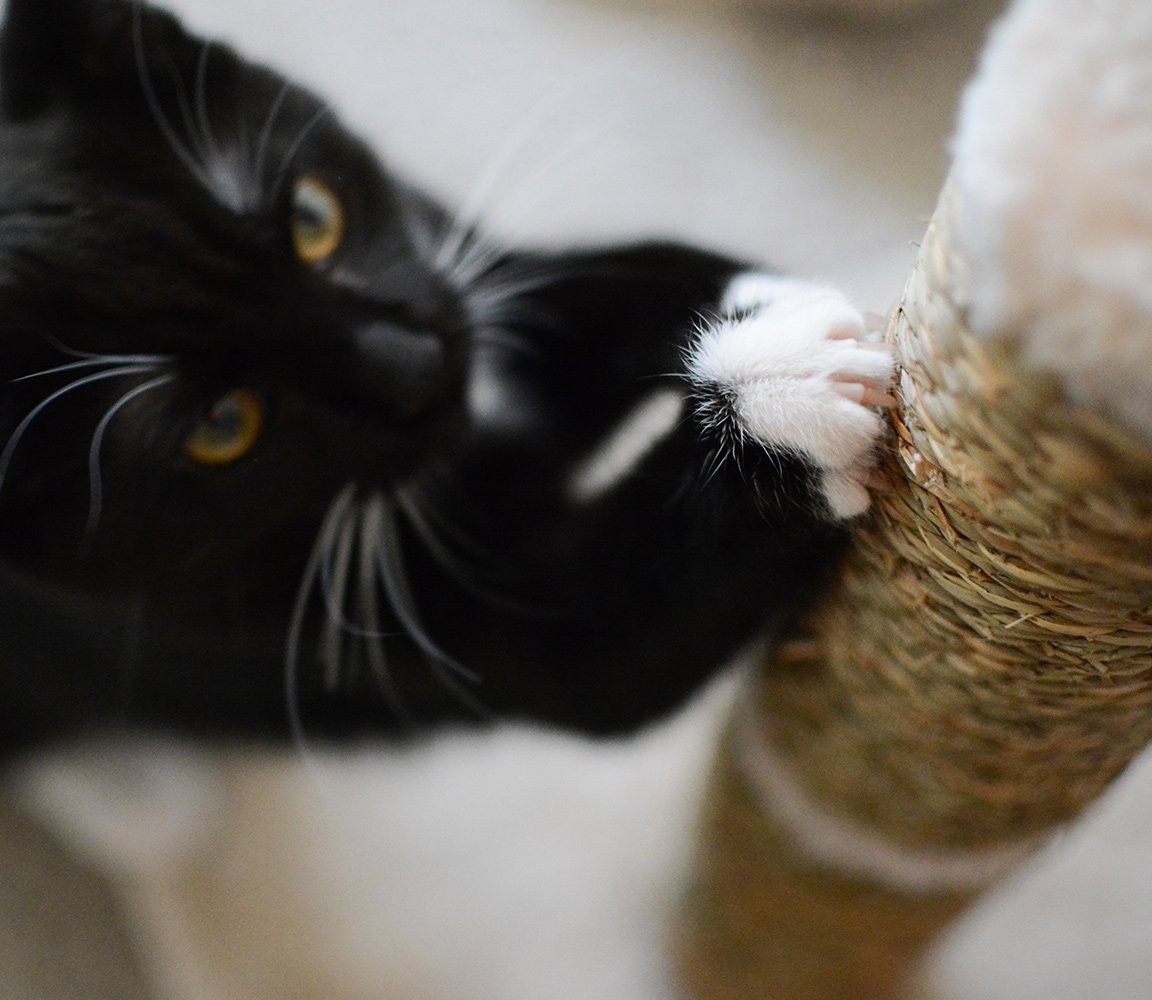
Scratching is a natural and important part of your kitten's daily life. It helps them stretch their muscles, maintain their claws, and mark their territory — leaving both scent and visual signs that help them feel settled and at home in their environment.
Understanding this makes it much easier to approach. Rather than trying to stop your kitten from scratching, the goal is simply to give them somewhere appropriate to do it.
Introducing a scratching post early is the most effective approach. Place it somewhere your kitten spends time, and if they seem unsure at first, a little catnip or a favourite toy nearby can help draw their attention to it. Once they have discovered it, most kittens will return to it naturally.
A kitten with a good scratching post is a kitten with one less reason to investigate your furniture.
Other products for kittens:

Exclusive Lyster Care, 2 kg | Kibbles for active cats or cats with sensitive skin & coat
€30.00

Exclusive Urinary, 2 kg | Complete cat nutrition that helps maintain urinary health
€20.00
_400x400.jpg "Exclusive Digest, 2 kg | Easy-to-digest formula for cats with sensitive digestive systems")
Exclusive Digest, 2 kg | Easy-to-digest formula for cats with sensitive digestive systems
€15.00
_400x400.jpg "Exclusive Sterilised, 2 kg | Dry food made to satisfy a sterilised cat’s unique nutritional needs")
Exclusive Sterilised, 2 kg | Dry food made to satisfy a sterilised cat’s unique nutritional needs
€20.00
_400x400.jpg "Exclusive Light, 2 kg | Cat dry food designed to help maintain healthy weight")
Exclusive Light, 2 kg | Cat dry food designed to help maintain healthy weight
€15.00
Learn more about healthy lifestyle


Teaching your cat tricks
Although training a cat is more difficult, there are some tricks that can be taught to the cat