


Kitten at home — a good start with Husse
Everything your kitten needs in their first year, and the guidance to make it simple.

Bringing a kitten home is one of those moments that stays with you. And while it is full of joy, it also comes with a lot of questions — especially when it comes to what and how to feed them.
The first year of a kitten's life is a period of rapid change. They grow quickly, develop new behaviours, and have nutritional needs that are quite different from an adult cat. Getting this stage right makes a real difference — not just now, but for the years ahead.
At Husse, we believe that good nutrition at this stage should feel straightforward, not overwhelming. That is why your local Husse advisor is here from day one — to help you understand what your kitten needs, guide you on portions and feeding routines, and adjust their nutrition as they grow.
You do not need to navigate this alone. With the right support, feeding your kitten confidently is something every owner can do.

Fresh Balanced Growth Kitten, 7 kg | Advanced nutrition rich in fresh chicken to encourage lean and healthy growth


Kitten, 3 kg | Premium nutrition for healthy, steady growth and development

First days in a new home
Moving to a new home is a big moment for a kitten. New smells, new sounds, new faces — it is a lot to take in all at once. A little preparation on your part can make the transition much calmer for both of you.
Before your kitten arrives, have a quiet room ready for them. Starting in a smaller, familiar space is much less overwhelming than the whole house, and it gives them time to settle at their own pace. Once they seem comfortable and curious, you can gradually introduce the rest of the home.
If you have children or other pets, take it slowly. Kittens are gentle and easily startled, and calm, unhurried introductions make a real difference to how quickly they feel at ease.
.
A few things worth thinking about before your kitten comes home:
 Starter Kit for a Kitten
  How to start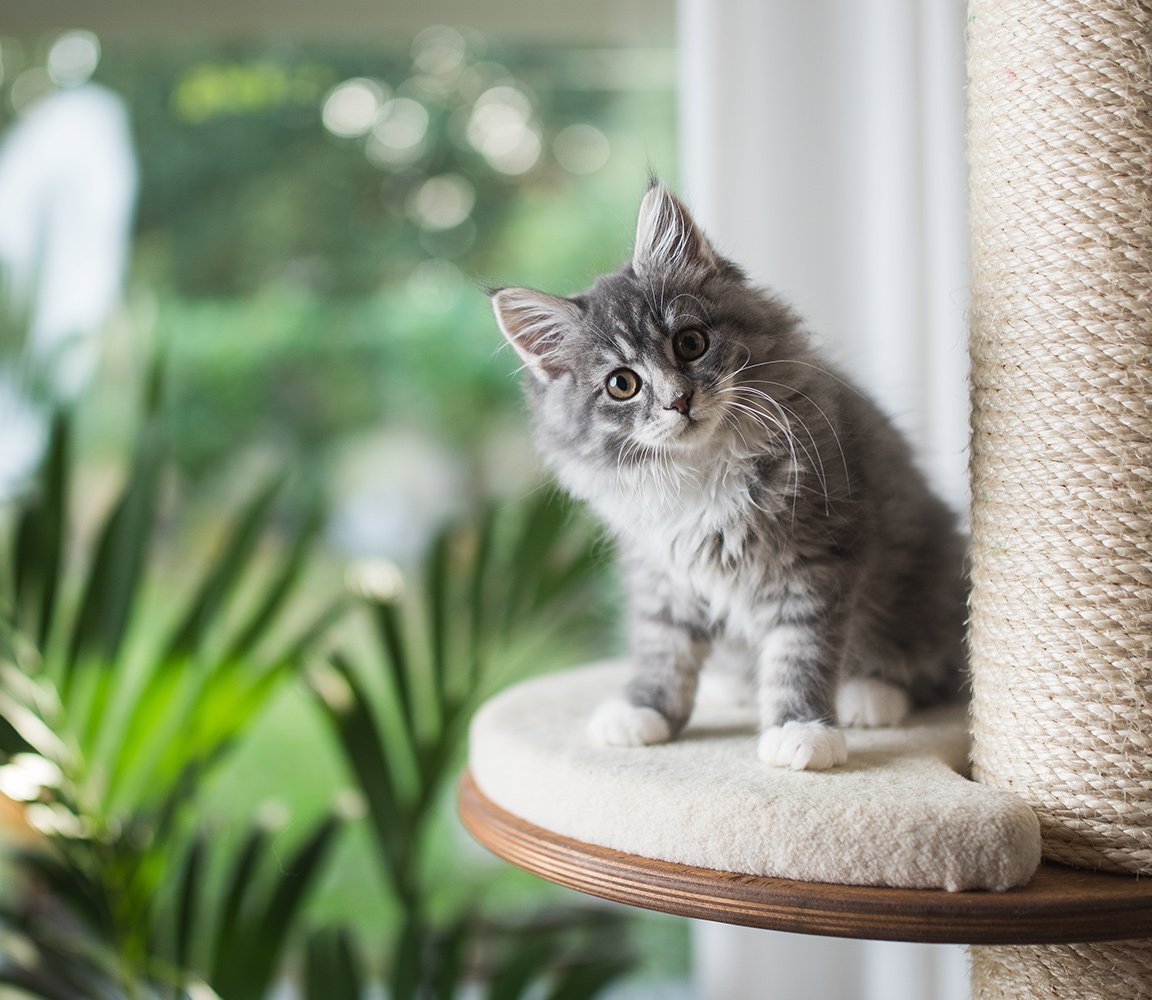
Kitten nutrition — building the foundation for a healthy life
The first year of a kitten's life is a period of significant physical change, with the most rapid growth typically happening between two and six months of age. What your kitten eats during this time matters — a balanced diet tailored to their age and stage of development supports healthy growth and sets the foundation for long-term wellbeing.
Kittens have considerably higher energy needs than adult cats, but their stomachs are small. Smaller, more frequent meals throughout the day are easier for them to manage and support steady, healthy development.
If you feed wet food, keep an eye on how long it sits in the bowl. Wet food can spoil quickly at room temperature, so if your kitten walks away from a meal, cover the bowl and refrigerate it rather than leaving it out. Offer it again after a short while — a kitten that is not quite hungry yet will usually return to it when they are ready.
Getting portion sizes and feeding frequency right can feel like a lot to figure out at first. Your local Husse advisor can help you put together a feeding routine that suits your kitten's individual needs — and adjust it as they grow.
Find out more about:
 Suitable food for kittens
Kitten development — the first year in focus
The first twelve months of a kitten's life are a period of rapid change — physically, mentally, and behaviourally. It is also one of the most rewarding times to be a cat owner, with new milestones appearing almost every week.
Alongside good nutrition, the time and attention you give to your kitten's development during this period makes a lasting difference. Gentle, consistent training from an early age helps establish the behaviours that will make life easier and more enjoyable for both of you — and strengthens the bond between you in the process.
These early months are also when kittens learn how to interact with people, other animals, and their environment. A kitten that feels safe, well cared for, and appropriately guided during this time grows into a confident and settled adult cat.
Find out more about:
 Fun and learning with a kitten
Health and daily care — laying the right foundations
The first year of a kitten's life brings rapid and significant physical change, with the most intense growth typically occurring between two and six months of age. How you care for your kitten during this period — and what you feed them — has a direct and lasting impact on their health as an adult cat.
A balanced diet tailored to your kitten's age and stage of development is the foundation of good health. Kittens have considerably higher energy needs than adult cats, but their stomachs are small and sensitive. Smaller, more frequent meals throughout the day are easier to digest and support steadier, healthier growth than one or two larger portions.
If you feed wet food, keep an eye on how long it sits out. Wet food can spoil quickly at room temperature, so if your kitten walks away from a meal, cover the bowl and refrigerate it rather than leaving it out. Offer it again after a short while — a kitten that is not quite hungry yet will return to it when they are ready.
Daily care goes beyond feeding, of course. Establishing gentle routines around grooming, play, and handling from an early age helps your kitten feel comfortable and builds the trust that makes every aspect of their care easier over time.
Your local Husse advisor can help you put together a feeding and care routine that suits your kitten's individual needs — and adapt it as they grow.
Find out more about:
Other products for kittens:

Pro Energi, 15 kg | Dog dry food with high protein & fat content for a lean muscle mass
€100.00

Pick Up Carrier, 1 pc | Pick Up poop bags dispenser with a cap for easy refill
€20.00

Pälsvårdsspray, 200 ml | Detangler spray for easier grooming
€1.00
Learn more about healthy lifestyle

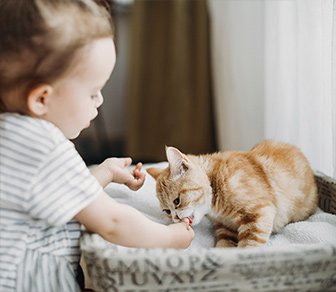
Teaching your cat tricks
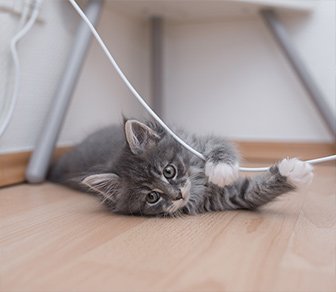
Although training a cat is more difficult, there are some tricks that cat can learn